
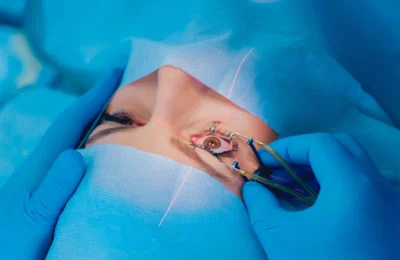
LASIK surgery is one of the most popular vision correction procedures in the world. Many people choose it to reduce or completely remove their need for glasses or contact lenses. If you are thinking about it, two of the most important things you probably want to understand are LASIK surgery cost and the recovery process.
In this article, we will explain everything in a simple and human way so you can clearly understand what to expect before, during, and after LASIK surgery.
What is LASIK Surgery?
LASIK stands for Laser-Assisted In Situ Keratomileusis. It is a type of eye surgery that reshapes the cornea (the clear front part of the eye) using a laser. This helps light entering the eye focus properly on the retina, improving vision.
LASIK is commonly used to treat:
- Nearsightedness (myopia)
- Farsightedness (hyperopia)
- Astigmatism
The procedure is quick, usually painless, and often completed in less than 30 minutes for both eyes.
LASIK Surgery Cost Explained
The cost of LASIK surgery can vary a lot depending on different factors. On average worldwide, it can range from $800 to $3,000 per eye, but prices differ in every country and clinic.
1. Factors That Affect Cost
Here are the main reasons why LASIK prices are not the same everywhere:
a) Technology Used
Advanced laser technology costs more. Newer machines offer better accuracy and faster healing, which increases the price.
b) Surgeon Experience
Highly experienced eye surgeons usually charge more because of their expertise and success rate.
c) Clinic Location
Clinics in big cities or developed areas are usually more expensive than those in smaller towns.
d) Type of LASIK Procedure
There are different types of LASIK:
- Traditional LASIK (cheaper)
- Bladeless LASIK (more expensive)
- Custom LASIK or wavefront-guided LASIK (most expensive)
e) Package Inclusions
Some clinics include:
- Pre-surgery tests
- Post-surgery medicines
- Follow-up visits
Others charge separately for these services.
2. Is LASIK Worth the Cost?
Many people wonder if LASIK is worth it. While the upfront cost may seem high, it can actually save money in the long run. Think about how much you spend on:
- Glasses every few years
- Contact lenses
- Cleaning solutions
- Eye check-ups
Over time, LASIK can reduce these ongoing expenses significantly.
LASIK Surgery Recovery Process Explained
One of the biggest advantages of LASIK is the fast recovery time. Most people return to normal activities within a day or two.
However, recovery still happens in stages.
1. First 24 Hours After Surgery
Right after the procedure, your vision may feel blurry or foggy. This is completely normal.
You may also experience:
- Mild burning or itching
- Watery eyes
- Light sensitivity
- Feeling like something is in your eye
Doctors usually recommend resting your eyes and avoiding screens. Sleeping helps a lot during this stage.
2. First Week of Recovery
During the first week:
- Vision starts improving quickly
- Dry eyes are common
- You must use eye drops regularly
- Avoid rubbing your eyes
- Avoid swimming or dusty environments
Most people can return to work within 2–3 days, depending on how their eyes feel.
3. First Month After Surgery
By this time:
- Vision becomes much clearer and stable
- Dryness reduces
- Eyes adjust to their new shape
You should still follow your doctor’s advice carefully. Even though you feel normal, healing inside the eye is still happening.
4. Full Recovery (3 to 6 Months)
Complete healing may take a few months. During this period:
- Night vision improves
- Any small vision changes stabilize
- Eyes fully adapt to the correction
Regular follow-up visits are important to ensure everything is healing properly.
Tips for Faster and Better Recovery
If you want smooth healing, follow these simple tips:
- Use all prescribed eye drops on time
- Avoid rubbing your eyes
- Wear protective sunglasses outdoors
- Limit screen time in the first few days
- Avoid swimming pools for at least 2–3 weeks
- Go for all follow-up checkups
Small care steps can make a big difference in recovery speed.
Possible Side Effects of LASIK
LASIK is generally safe, but like any medical procedure, it can have side effects. Most are temporary.
Common ones include:
- Dry eyes
- Glare or halos around lights at night
- Mild discomfort
- Temporary blurry vision
Serious complications are rare when surgery is done by an experienced surgeon.
Who is a Good Candidate for LASIK?
Not everyone can get LASIK. You may be a good candidate if:
- You are over 18 years old
- Your vision has been stable for at least one year
- You have healthy corneas
- You do not have severe eye diseases
Pregnant women or people with certain medical conditions may need to wait or consider alternatives.
Final Thoughts
LASIK surgery is a life-changing procedure for many people. It offers freedom from glasses and contact lenses, along with improved vision and convenience.
Understanding LASIK surgery cost and recovery process explained helps you make a confident decision. While the cost can vary, the long-term benefits often make it worthwhile. Recovery is usually fast, but proper care is important for the best results.
If you are considering LASIK, always consult a qualified eye specialist and ask all your questions before making a decision.
FAQs About LASIK Surgery
1. Is LASIK surgery painful?
No, LASIK is not painful. Doctors use numbing eye drops, so you may feel slight pressure but no pain during the procedure.
2. How long does LASIK surgery take?
The actual laser procedure usually takes about 10–15 minutes for both eyes. The full visit may take a few hours including preparation.
3. When can I see clearly after LASIK?
Many people notice improved vision within 24–48 hours. However, full stabilization can take a few weeks to months.
4. Can vision become weak again after LASIK?
In most cases, LASIK results are long-lasting. However, natural age-related vision changes can still occur later in life.
5. Is LASIK safe for everyone?
LASIK is safe for many people, but not everyone is eligible. A proper eye examination is necessary to confirm suitability.
About the author : ahmadrazaguruu@gmail.com