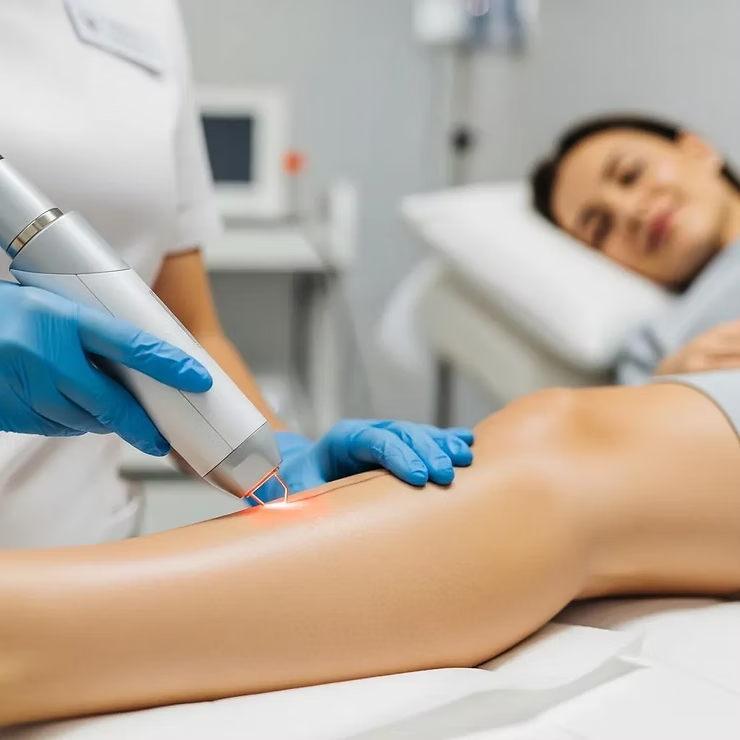

Plastic surgery is a multi-stage process that begins with an initial consultation and pre-op preparation and then ends with recovery and follow-up care. Proper preparation can enhance safety and your chances of achieving the expected aesthetic results when undergoing procedures such as facelifts, breast augmentation, or liposuction. Knowledge of the recovery process enables you to set realistic timelines and follow the right aftercare tips for faster healing. Here is more information about preparation and recovery processes for plastic surgery:
Preparing for Plastic Surgery
Adequately preparing for procedures such as breast augmentation or abdominoplasty helps minimize the risk of surgical complications. Quitting smoking weeks before these procedures can prevent possible blood-vessel constriction and reduced oxygen delivery to tissues. This helps minimize the risk of wound-healing complications such as necrosis, poor scarring, and infection after the procedures. Preparing adequately for plastic surgery procedures also optimizes your physical recovery, and this contributes to faster tissue healing.
Preparation begins with understanding the exact surgical procedure you intend to undergo. Knowing what the procedure can and cannot change is key to setting expectations and achieving your aesthetic goals. Some specific plastic surgery procedures you may choose include:
- Facelift
- Forehead lift
- Breast augmentation
- Breast lift
- Abdominoplasty and liposuction
Understanding the exact procedure you will undergo helps clarify what changes you should expect. Consultation then follows to prepare for cosmetic surgery. Scheduling a consultation allows you to talk with your surgeon about your aesthetic goals, lifestyle choices, and past surgeries. The surgeon examines your body, assessing your anatomy and skin condition. This assessment includes examining factors like skin elasticity, symmetry, and tissue thickness; this helps the surgeon develop a safe and effective surgical approach.
The consultation also allows the surgeon to recommend preparation steps before the procedure. Cosmetic surgery specialists advise stopping blood-thinning medications several weeks before surgery to support normal clotting during recovery. Patients should also avoid aggressive skincare products and heavy makeup in the weeks leading up to the procedure to reduce the risk of bacterial contamination at incision sites and to help minimize complications such as infection, delayed healing, or more prominent scarring.
Recovering After Cosmetic Surgery
Recovery habits directly influence how your tissues heal and how swelling resolves. They also determine whether the final outcome aligns with the surgical plan. Post-operative guidance includes activity restrictions to help protect your body from overexertion that may interfere with tissue repair and healing. Plastic surgeons recommend avoiding strenuous activities like heavy lifting and pushing when recovering from procedures like abdominoplasty, breast augmentation, and liposuction. Avoiding these activities helps prevent complications like wound opening or poor scarring.
Wearing compression garments as directed by your cosmetic surgeon also helps with the recovery process. Compression garments apply consistent, gentle pressure, which helps reduce the risk of fluid buildup around incision sites. The body is able to reabsorb excess fluids more efficiently, helping enhance comfort and minimize swelling. Wearing compression garments after body contouring surgeries helps support surgical areas, allowing tissues to gradually settle and heal. You can also quicken your recovery after cosmetic surgery by:
- Taking regular, gentle walks
- Staying hydrated
- Eating protein-rich, nutrient-dense foods
- Keeping incisions clean and dry
- Sleeping with your head slightly elevated
- Taking all prescribed medications
Schedule a Plastic Surgery Consultation
Understanding proper preparation and recovery management before undergoing cosmetic surgery improves safety and supports better aesthetic outcomes. Your plastic surgeon provides tailored pre- and post-operative instructions, addresses recovery concerns as they arise, and guides you through each stage of healing. This structured support helps provide a smoother recovery process and a safe return to normal daily activities. Contact a reputable cosmetic surgeon today to learn how to prepare for your preferred procedure.
About the author : ahmadrazaguruu@gmail.com