
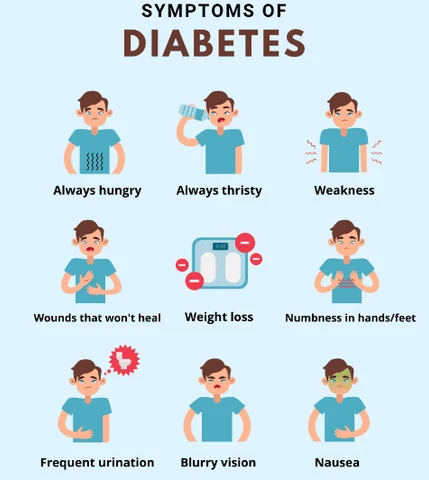
Diabetic neuropathy is a type of nerve damage that develops in people with diabetes, and it often affects the feet, legs, hands, and arms. High blood sugar levels can injure nerves throughout the body over time. While diabetic neuropathy can be chronic, several management techniques exist to help regulate blood sugar and reduce or even reverse symptoms in some cases. Here is more information about management:
Review the Symptoms
Symptoms of diabetic neuropathy vary depending on which nerves are affected. Some people notice numbness in the feet, while others report sharp or burning pain that worsens at night. Tingling and increased sensitivity to touch are common, and these sensations may make routine activities uncomfortable. Muscle weakness can also occur, which sometimes affects balance and coordination. Symptoms often develop gradually because nerve damage progresses slowly. Tracking changes over time helps you and your care team identify patterns and respond early.
Understand the Causes
Several factors contribute to the development and progression of neuropathy:
- High blood glucose: Prolonged exposure to elevated blood sugar levels is the primary driver, with damage accumulating over months and years.
- Nerve inflammation: Inflammation in the nerves can also play a significant role in the condition.
- Lifestyle factors: Smoking, excess alcohol use, and high blood pressure can each strain the nervous system by interfering with healthy circulation.
- Genetics: A person’s genetic makeup may influence how susceptible they are to nerve damage.
Discuss the Lifestyle Changes
Managing blood sugar is key to slowing the progression of diabetic neuropathy. Consistent glucose monitoring gives you data to manage your sugars, and it helps your doctor adjust your plan when needed. Regular physical activity supports circulation and nerve health. Walking, swimming, and low-impact exercises are practical options, though you should confirm your routine with a healthcare provider first.
A balanced diet positively influences diabetic neuropathy because stable nutrition helps keep blood sugar within a target range. Focus on whole grains, lean proteins, and vegetables, and limit processed foods that cause sharp glucose spikes. Foot care deserves special attention. Inspect your feet daily for cuts or sores, and wear supportive footwear to reduce the risk of injury that may go unnoticed due to numbness.
Identify the Treatments
There are several treatments that can help manage the symptoms of diabetic neuropathy. Physical therapy is one common approach, and it may improve strength, mobility, and balance through guided exercises. A therapist can tailor a program to your specific needs.
Certain antidepressants are used to address nerve-related pain because they influence the chemical signals and receptors involved in pain perception. Anti-seizure medications are another option, and they may reduce the burning or shooting sensations that some patients experience. A doctor monitors these prescriptions to track their effect over time.
A nerve block involves injecting medication near specific nerves to interrupt pain signals. This procedure targets a localized area, and it may offer relief for patients whose pain is concentrated in one region. The effect and duration vary from person to person. An anti-inflammatory steroid injection may also be pursued because inflammation intensifies nerve discomfort. A specialist administers the injection and reviews the results at follow-up visits.
Learn More About Diabetic Neuropathy
Diabetic neuropathy is nerve damage linked to diabetes, and it can produce uncomfortable symptoms that interfere with daily activities. When treatments such as lifestyle changes and medication have not achieved the desired result, asking your doctor about more advanced options like spinal cord stimulation may be a helpful next step. For questions about sciatica treatment, consult a pain management specialist near you.
About the author : ahmadrazaguruu@gmail.com