
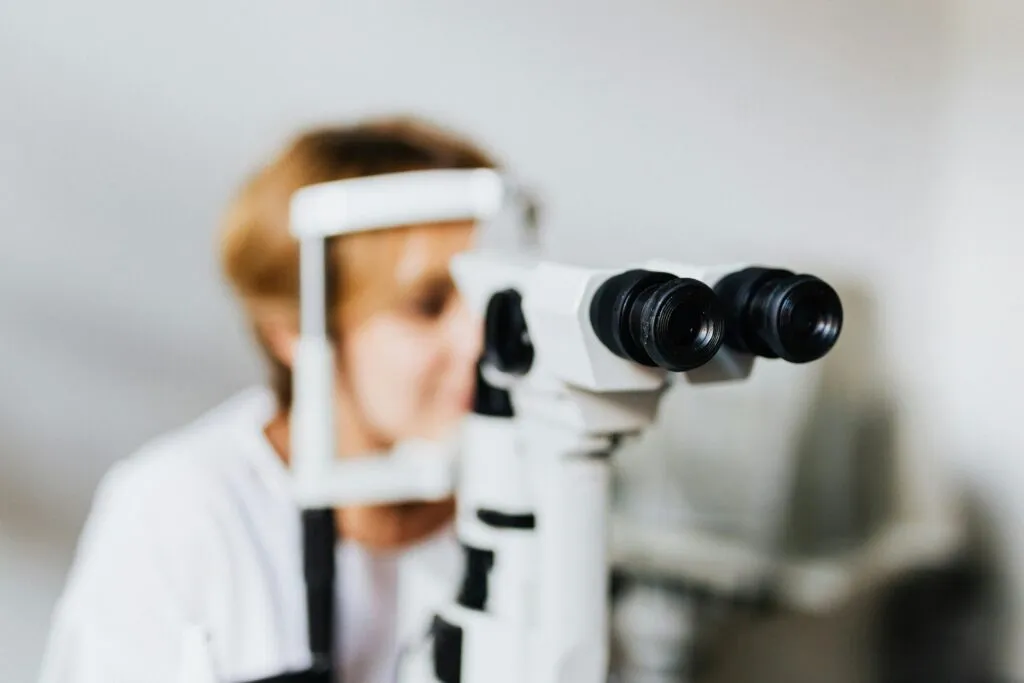
Eye health plays a fundamental role in daily functioning, and some ocular conditions develop gradually and go undetected without routine professional evaluation. Common presentations such as blurred vision, light sensitivity, eye pressure, and changes in visual acuity can indicate underlying conditions, which necessitate professional intervention. Ophthalmologists are licensed medical specialists who are trained to detect, diagnose, and treat a broad range of eye conditions using clinical assessments, diagnostic technology, and medical or surgical interventions. Here is more information on ophthalmological care:
What Are Ophthalmologists?
Ophthalmologists are licensed medical doctors who specialize in the diagnosis and treatment of eye diseases and disorders. Optometrists primarily perform vision tests and prescribe corrective lenses, but ophthalmologists complete medical school. An ophthalmologist’s training qualifies them to perform surgical procedures and prescribe medication, which makes them integral to managing complex ocular conditions. They treat both the visual and medical aspects of eye health.
What Services Do They Provide?
Ophthalmologists provide a wide range of services spanning preventive care, diagnostics, and treatment. Core services typically include:
- Routine comprehensive eye exams, which enable early detection of conditions before symptoms become noticeable
- Surgical procedures and corrective eyewear prescriptions, addressing both functional and medical aspects of eye health
- Diagnostic services to provide a detailed assessment of ocular health
- Specialized monitoring for patients with systemic conditions such as diabetes
What Conditions Affect Ocular Health?
A broad range of conditions can affect the eyes, from mild irritation to vision-threatening diseases. Glaucoma is a group of eye diseases that damage the optic nerve, often due to elevated intraocular pressure. It progresses slowly and produces few noticeable symptoms in its early stages, so some patients are unaware of the condition until significant damage has occurred. Regular eye exams are the most reliable detection method, and early intervention helps prevent permanent vision loss.
Cataracts develop when the eye’s natural lens becomes cloudy, which leads to blurred or dimmed vision. They are most common in older adults, and the condition typically worsens over time without treatment. Cataracts are treatable with early intervention.
How Are These Conditions Treated?
Treatment varies depending on the type and severity of the condition. Ophthalmologists tailor their approach based on diagnostic findings and the patient’s overall health profile; the goal is to slow disease progression, restore function, or eliminate the condition where possible. Because no two patients present identically, individualized treatment planning is beneficial.
For glaucoma, treatment focuses on reducing intraocular pressure. Prescription eye drops may be recommended first, and they help lower pressure and protect the optic nerve. If drops are insufficient, laser therapy or surgical procedures may be performed to achieve adequate pressure control.
Cataract treatment is primarily surgical. The procedure involves removing the cloudy lens and replacing it with an artificial intraocular lens (IOL), and patients may experience significant improvement in vision clarity shortly after recovery. Since cataract surgery is a standard procedure, outcomes may be long-lasting. Consulting an ophthalmologist helps determine what treatment is appropriate for each situation.
Consult an Ophthalmologist Today
Ophthalmologists play a central role in preserving and restoring vision across a wide spectrum of conditions, and early diagnosis helps patients maintain their long-term ocular health. If you have an ocular condition, schedule a comprehensive eye exam with a qualified ophthalmologist. Proactive care helps prevent vision loss.
About the author : ahmadrazaguruu@gmail.com