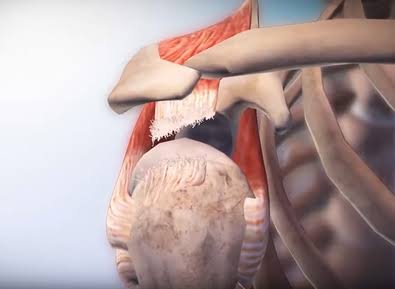
A rotator cuff tear occurs when one or more tendons supporting the shoulder become partially or completely damaged. Common signs may include shoulder pain and difficulty lifting or rotating the arm. Recognizing these symptoms and seeking appropriate medical care can help prevent further damage. Here are signs you may have a rotator cuff injury and what to do next:
Persistent Pain and Weakness
Pain and weakness often signal the earliest stages of a rotator cuff tear. You may feel a dull ache deep in the shoulder, and this discomfort frequently worsens at night when you lie on the affected side. Tasks such as combing your hair or reaching for a seatbelt can trigger sharp pain. If lifting a light object feels harder than it used to, that weakness may point to a tendon that no longer works at full capacity. Weakness sometimes develops gradually, so you may not connect it to a specific moment or injury. Pay attention to any pattern where rest eases the ache but activity brings it back.
Limited Physical Movement
Movement problems often accompany pain and weakness, and they can affect one direction more than another. These limitations vary from person to person, so watch for the specific motions that cause you trouble. Here are some common movement changes tied to a rotator cuff tear:
- Trouble lifting the arm: Raising the arm to the side or front feels stiff, and the motion may stop short of full range.
- Difficulty reaching behind the back: Tasks like fastening a bra or reaching a back pocket become clumsy or painful.
- Reduced overhead reach: Placing items on a high shelf becomes harder, and you may compensate by shrugging the shoulder.
- A catching or clicking sensation: Some people experience a grinding or popping as the shoulder moves, which suggests the tendon glides unevenly.
Concerning Warning Signs
Certain signs require prompt attention, and recognizing them helps you act without delay. A sudden and intense pain during a fall or lifting event often signals a complete tear; you may hear a snapping sound when it occurs. If you cannot raise your arm at all, or if the shoulder looks visibly out of place, these changes call for a quick evaluation. Swelling, bruising, or numbness that spreads down the arm are also serious symptoms. Persistent problems matter too, so track how long your symptoms last.
Appropriate Next Steps
Once you identify the signs, a structured plan helps you move toward relief. Your provider will generally review your history, examine the shoulder, and may request imaging to confirm a rotator cuff injury. Treatment depends on the size of the tear and your activity goals, and options range from conservative care to procedures.
Explore Nonsurgical Care
Some rotator cuff tears respond well to nonsurgical treatment, and this approach is often the first step. Physical therapy strengthens surrounding muscles, while targeted exercises restore range of motion over time. Your provider may combine therapy with rest, activity changes, or injections to manage discomfort.
Discuss Minimally Invasive Surgery
When a tear is large or nonsurgical care falls short, minimally invasive surgery becomes an option worth discussing. Surgeons use small incisions and specialized tools, and this technique often means less scarring and a shorter recovery. Your provider will explain what the procedure involves, so you understand the timeline and expected outcomes. A clear conversation helps you evaluate the choice that aligns with your goals.
Schedule Your Rotator Cuff Tear Appointment
A rotator cuff injury can begin with mild aches and progress to weakness, movement limits, or serious warning signs that disrupt daily life. Recognizing these symptoms early gives you a head start, and it allows you to explore nonsurgical care and minimally invasive options. Contact a qualified orthopedic surgeon near you to schedule your appointment for a rotator cuff tear today.
About the author : ahmadrazaguruu@gmail.com