Stroke is one of the leading causes of long-term disability in adults around the world. It happens when the blood supply to part of the brain is interrupted, which can damage brain cells and affect movement, speech, balance, and daily functioning. Recovery after a stroke is often a long journey, and every person’s progress is different. One of the most effective and important parts of this journey is physical therapy.
Physical therapy helps stroke survivors rebuild strength, regain movement, and improve independence in daily life. In this article, we will explore the benefits of physical therapy for stroke recovery, how it works, and why it plays such a powerful role in healing.
What is Physical Therapy in Stroke Recovery?
Physical therapy is a type of rehabilitation that focuses on improving movement, strength, balance, and coordination. After a stroke, many people experience weakness or paralysis on one side of the body, difficulty walking, or problems with balance.
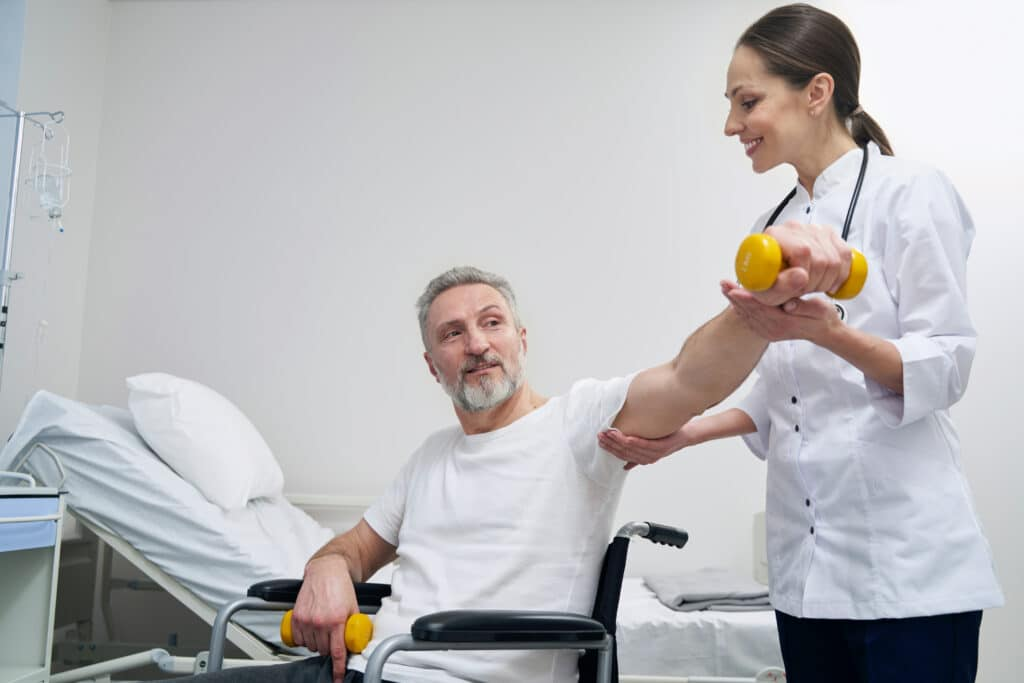
A physical therapist works closely with the patient to create a personalized recovery plan. This plan may include exercises, stretching, walking practice, balance training, and sometimes the use of special equipment.
The main goal is simple: help the brain and body work together again.
Benefits of Physical Therapy for Stroke Recovery
1. Improves Muscle Strength
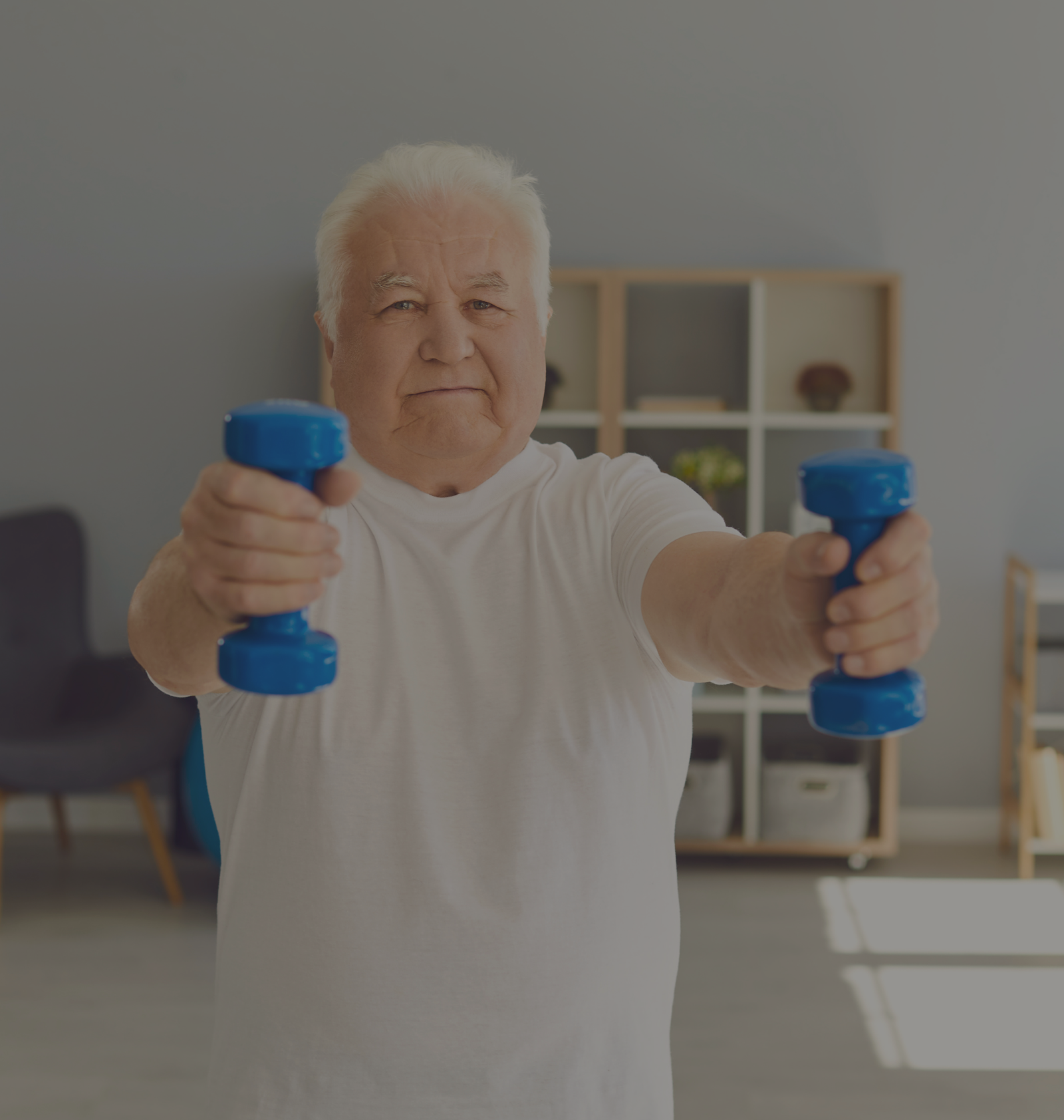
After a stroke, muscles often become weak or stiff, especially on one side of the body. Physical therapy helps rebuild this lost strength through guided exercises. These exercises start slowly and gradually become more challenging as the patient improves.
Stronger muscles help stroke survivors perform daily activities like standing up, sitting down, or lifting objects without help.
2. Restores Movement and Mobility
One of the most common effects of a stroke is difficulty in moving arms, legs, or the entire body properly. Physical therapy focuses on retraining these movements.
Through repetition and practice, the brain slowly learns new ways to control movement. This process is known as neuroplasticity, where the brain creates new pathways to replace damaged ones.
Even simple movements like lifting a hand or taking a step can become easier with consistent therapy.
3. Helps Improve Balance and Prevent Falls
Many stroke survivors struggle with balance issues. This increases the risk of falling, which can cause serious injuries.
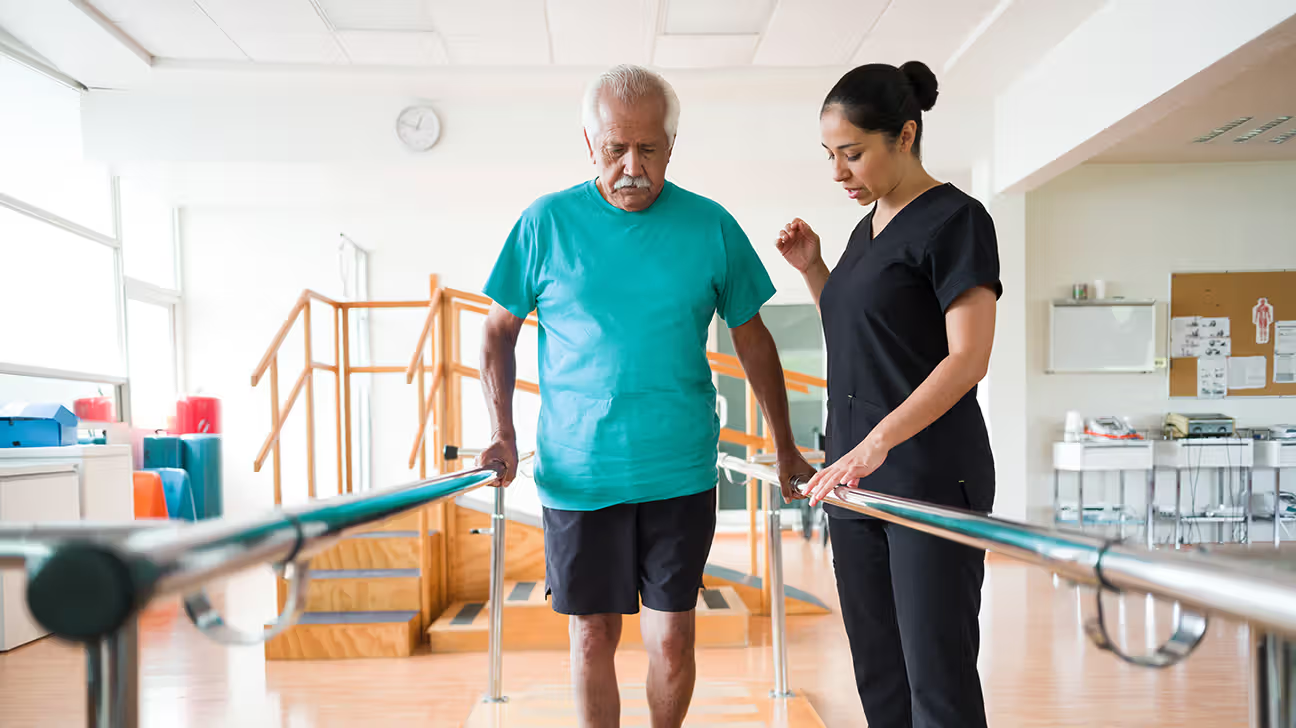
Physical therapy includes balance training exercises that strengthen the core muscles and improve body stability. Patients practice standing, walking, and shifting weight safely under supervision.
Over time, this reduces the fear of falling and helps the person move more confidently.
4. Enhances Walking Ability
Walking difficulties are very common after a stroke. Some people may drag one leg, walk slowly, or need support to move around.
Physical therapy helps improve walking patterns by retraining the legs and improving coordination. Therapists may use walking aids like canes or walkers at first, but the goal is to reduce dependence on them over time.
With regular practice, many patients regain the ability to walk independently or with minimal support.
5. Reduces Muscle Stiffness and Pain
After a stroke, muscles can become tight or stiff, a condition known as spasticity. This can make movement painful and difficult.
Physical therapy includes stretching exercises that help relax stiff muscles and improve flexibility. Gentle movement also reduces pain and prevents joints from becoming frozen or immobile.
This makes daily movement smoother and more comfortable.
6. Supports Brain Healing and Recovery
Physical therapy does not only help the body—it also helps the brain heal. When patients repeat movements during therapy, the brain is forced to “relearn” these actions.
This strengthens brain connections and improves motor control. The more consistent the therapy, the better the brain adapts.
This is one of the most powerful parts of stroke recovery because it focuses on rebuilding lost abilities rather than just managing symptoms.
7. Improves Independence in Daily Life
One of the biggest goals after a stroke is to regain independence. Physical therapy helps patients perform everyday tasks such as:
- Getting out of bed
- Dressing themselves
- Walking to the bathroom
- Climbing stairs
- Carrying light objects
Even small improvements can make a huge difference in confidence and quality of life.
8. Boosts Confidence and Emotional Well-Being
Stroke recovery is not only physical—it is emotional too. Many patients feel frustrated, anxious, or depressed because of their limitations.
Physical therapy gives patients a sense of progress. Every small achievement, like standing longer or walking a few extra steps, builds confidence.
This positive progress helps improve mental health and motivation to continue recovery.
9. Prevents Secondary Health Problems
Without movement, stroke patients are at risk of developing other health issues such as:
- Muscle atrophy (muscle loss)
- Joint stiffness
- Poor blood circulation
- Bed sores
Physical therapy keeps the body active and prevents these complications. Even light movement can make a big difference in long-term health.
10. Encourages Long-Term Healthy Lifestyle
Physical therapy often teaches patients exercises they can continue at home. It also encourages healthy habits like regular movement, stretching, and proper posture.
This helps stroke survivors maintain their progress and reduce the risk of future strokes or other health problems.
How Long Does Physical Therapy Take?
The duration of physical therapy varies from person to person. Some people may need a few months, while others may require years of ongoing therapy.
Recovery depends on factors such as:
- Severity of the stroke
- Age of the patient
- Speed of treatment after stroke
- Overall health condition
- Consistency in therapy
The key is patience and regular practice.
Why Physical Therapy is So Important
Physical therapy is not just an optional treatment—it is a major part of stroke recovery. Without it, many patients may lose the chance to regain movement and independence.
It gives the brain and body the chance to rebuild what was lost. Even when progress feels slow, every session contributes to long-term improvement.
Conclusion
The benefits of physical therapy for stroke recovery are powerful and life-changing. It helps restore movement, improve strength, reduce pain, and rebuild independence. More importantly, it supports both physical and emotional healing.
Stroke recovery is a journey that takes time, effort, and patience. Physical therapy acts as a guide on this journey, helping patients take one step at a time toward a better quality of life.
With consistent therapy, encouragement, and determination, many stroke survivors can regain abilities they once thought were lost forever.
FAQs about Physical Therapy for Stroke Recovery
1. When should physical therapy start after a stroke?
Physical therapy often begins as soon as the patient is medically stable, sometimes within 24–48 hours after a stroke. Early treatment helps improve recovery outcomes.
2. Can physical therapy fully cure stroke damage?
Physical therapy cannot completely reverse brain damage, but it can significantly improve movement, strength, and independence by helping the brain adapt and recover.
3. How often should stroke patients do physical therapy?
It depends on the patient’s condition. Many start with daily sessions in the hospital or clinic, then continue several times a week at home or outpatient centers.
4. Is physical therapy painful after a stroke?
It should not be painful. Some exercises may feel uncomfortable at first, but therapists always adjust activities to ensure safety and comfort.
5. Can stroke patients recover without physical therapy?
Recovery is possible without therapy, but it is usually slower and less effective. Physical therapy greatly increases the chances of regaining movement and independence.
About the author : ahmadrazaguruu@gmail.com