
Seasonal allergies are something many adults struggle with every year, especially during spring, summer, or fall when pollen levels are high. If you often experience sneezing, runny nose, itchy eyes, or constant fatigue during certain seasons, you are not alone. These symptoms are usually caused by the immune system reacting to harmless substances like pollen, dust, or mold.
In this article, we will explain the best treatment for seasonal allergies in adults in a simple and human way. You will learn what causes allergies, how they affect the body, and most importantly, how you can manage or reduce them effectively using both medical and natural methods.
What Are Seasonal Allergies?
Seasonal allergies, also called hay fever or allergic rhinitis, happen when your immune system overreacts to allergens that are more common at certain times of the year. These allergens include:
- Tree pollen (spring)
- Grass pollen (late spring and summer)
- Weed pollen (fall)
- Mold spores (can happen year-round but worse in damp seasons)
When you breathe in these allergens, your body mistakenly thinks they are harmful. As a result, it releases chemicals like histamine, which causes allergy symptoms.
Common Symptoms in Adults
Seasonal allergies can look like a common cold, but they last longer and appear during specific seasons. Some common symptoms include:
- Sneezing repeatedly
- Runny or stuffy nose
- Itchy or watery eyes
- Scratchy throat
- Coughing
- Head pressure or mild headaches
- Feeling tired or low energy
These symptoms can affect your daily life, work performance, and sleep quality if not treated properly.
Best Treatment for Seasonal Allergies in Adults
There is no permanent cure for seasonal allergies, but the good news is that they can be managed very well. The best treatment usually combines medications, lifestyle changes, and prevention techniques.
Let’s look at each option in detail.
1. Antihistamines (Most Common Treatment)
Antihistamines are the first line of treatment for seasonal allergies. They work by blocking histamine, the chemical responsible for allergy symptoms.
Common benefits:
- Reduce sneezing
- Stop runny nose
- Relieve itchy eyes and throat
Examples include:
- Loratadine
- Cetirizine
- Fexofenadine
These medicines are usually available over the counter and are safe for most adults. Some older antihistamines may cause drowsiness, but newer ones are non-drowsy.
2. Nasal Sprays for Fast Relief
Nasal sprays are another highly effective treatment. They reduce inflammation inside the nose and help you breathe better.
Types of nasal sprays:
- Steroid nasal sprays (most effective for long-term use)
- Saline sprays (safe and natural)
Steroid sprays like fluticasone or mometasone reduce swelling and control symptoms when used regularly. Saline sprays help wash out allergens from the nose.
3. Decongestants for Stuffy Nose
If your main problem is a blocked nose, decongestants can provide quick relief. They shrink swollen blood vessels in the nasal passages.
However, they should not be used for more than a few days because long-term use can worsen symptoms.
4. Allergy Eye Drops
Itchy, watery eyes are very common during allergy season. Eye drops designed for allergies can provide fast relief.
They reduce irritation and help you feel more comfortable, especially when spending time outdoors.
5. Natural Remedies for Seasonal Allergies
Many adults prefer natural ways to support medical treatment. While they may not replace medication, they can reduce symptoms.
Useful natural methods include:
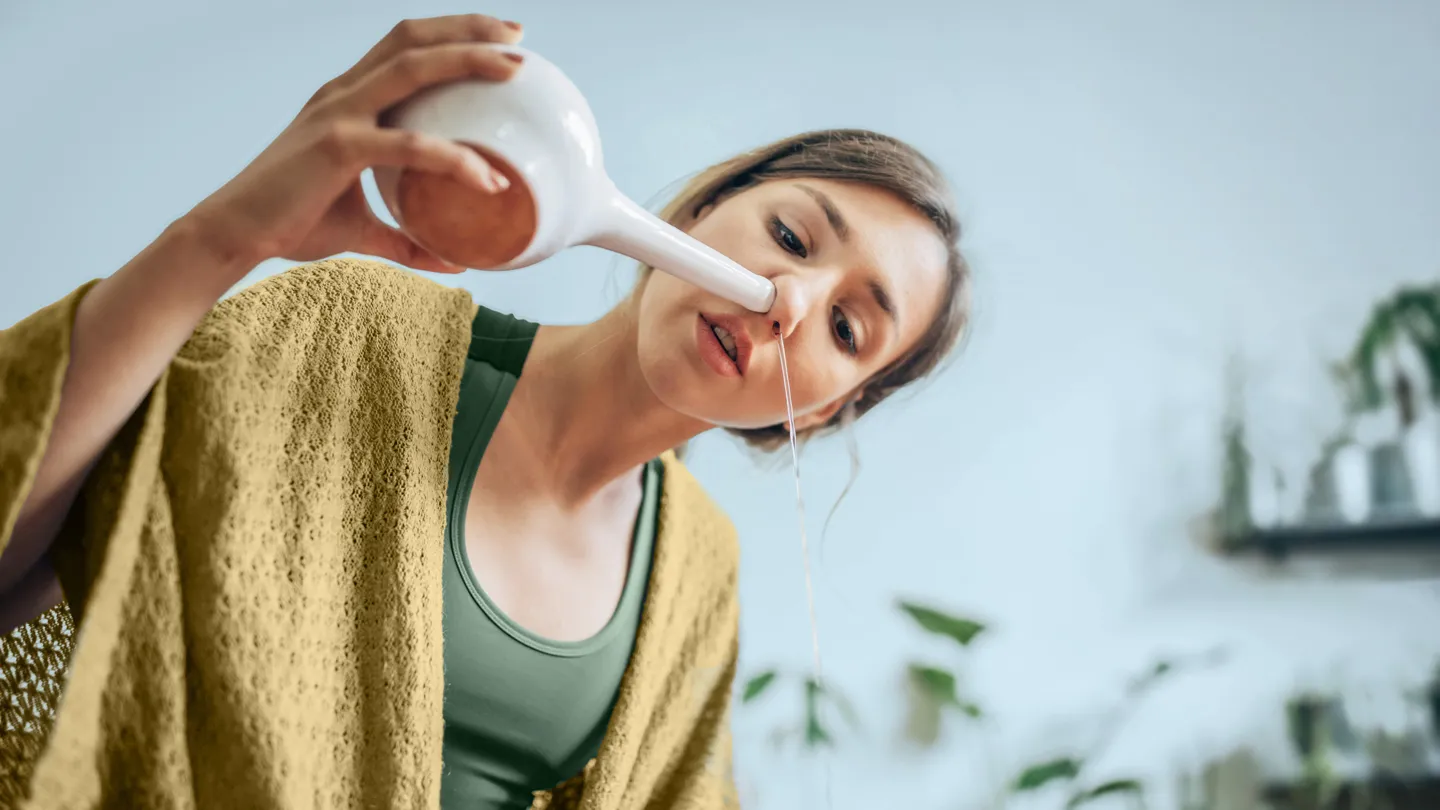
1. Saline nasal rinse
Washing your nose with salt water helps remove allergens.
2. Honey (local)
Some people believe local honey may help the body adapt to pollen over time.
3. Steam inhalation
Breathing in steam can clear nasal congestion.
4. Staying hydrated
Drinking plenty of water helps thin mucus.
5. Herbal teas
Green tea or peppermint tea may help reduce inflammation.
6. Avoiding Allergens (Very Important Step)
One of the best treatments is actually prevention. If you reduce exposure to allergens, your symptoms naturally improve.
Simple tips:
- Stay indoors during high pollen times (morning and windy days)
- Keep windows closed during allergy season
- Use air purifiers at home
- Shower after coming from outside
- Change clothes after outdoor activities
- Wear sunglasses to protect eyes
7. Immunotherapy (Long-Term Solution)
For people with severe or long-lasting allergies, doctors may suggest immunotherapy.
This treatment gradually trains your immune system to become less sensitive to allergens. It is done through:
- Allergy shots
- Allergy tablets (under the tongue)
Although it takes time, it can significantly reduce symptoms in the long run.
8. Lifestyle Changes for Better Control
Small daily habits can make a big difference in managing allergies.
Helpful habits:
- Exercise regularly to boost immunity
- Eat a balanced diet rich in fruits and vegetables
- Reduce stress (stress can worsen symptoms)
- Get enough sleep every night
A healthy body handles allergies more effectively.
When to See a Doctor
Most seasonal allergies can be managed at home, but you should see a doctor if:
- Symptoms are severe or constant
- Over-the-counter medicines are not helping
- You have asthma or breathing problems
- Allergies affect your sleep or daily life
A doctor can help identify your exact triggers and suggest stronger treatments if needed.
Conclusion
The best treatment for seasonal allergies in adults is a combination of medicine, prevention, and healthy habits. Antihistamines and nasal sprays remain the most effective medical options, while natural remedies and lifestyle changes support long-term comfort.
Although seasonal allergies cannot be fully cured, they can be controlled so well that they no longer interfere with your daily life. The key is understanding your triggers and starting treatment early before symptoms become severe.
With the right approach, you can enjoy every season without discomfort.
FAQs
1. What is the fastest treatment for seasonal allergies?
Antihistamines and nasal sprays usually provide the fastest relief from symptoms like sneezing and runny nose.
2. Can seasonal allergies go away on their own?
They usually do not go away completely, but symptoms may become milder over time or with proper treatment.
3. Are natural remedies enough for allergies?
Natural remedies can help reduce symptoms, but most adults still need medication for full relief during peak seasons.
4. How long do seasonal allergy symptoms last?
They can last as long as the allergen is present, usually a few weeks to a few months depending on the season.
5. Is it safe to take allergy medicine every day?
Yes, many modern antihistamines are safe for daily use, but it’s always best to follow doctor recommendations.
About the author : ahmadrazaguruu@gmail.com