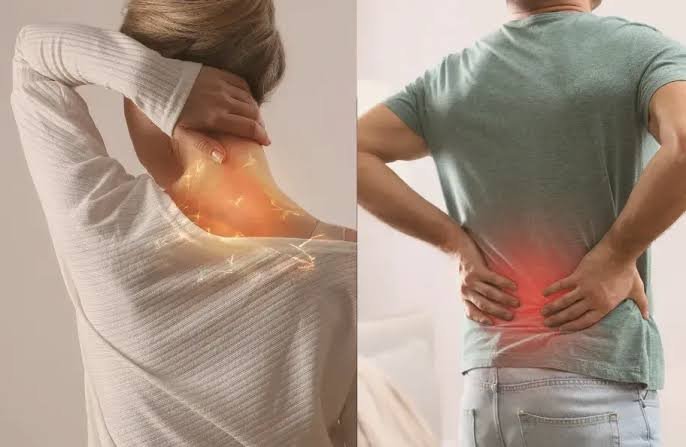
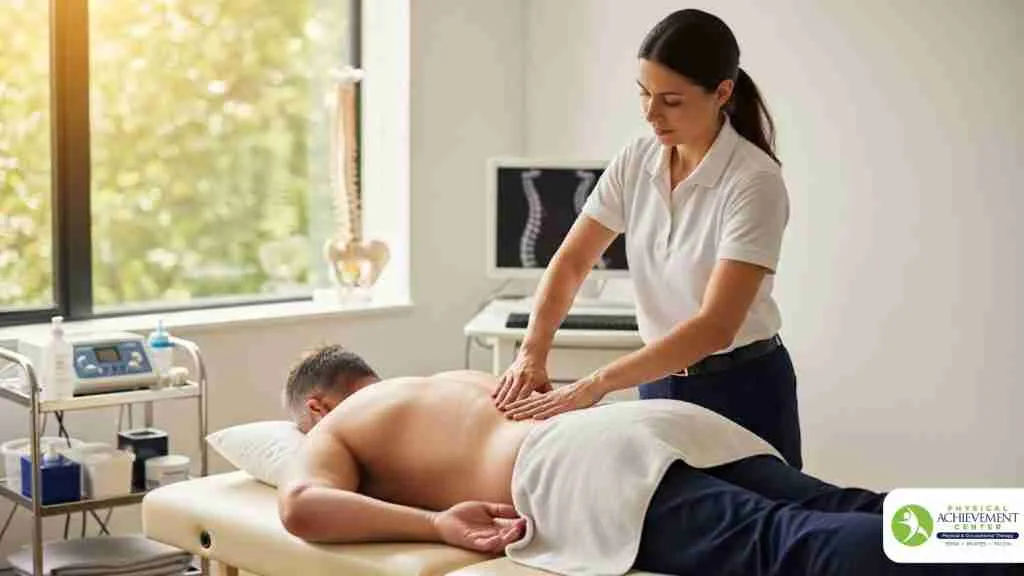
Lower back pain can affect different parts of the spine, and the affected area helps guide treatment. A back doctor reviews symptoms, medical history, physical examination findings, and diagnostic tests. Careful evaluation guides treatment because similar symptoms can come from different spinal conditions. Here are a few effective treatment options for lower back pain:
Epidural and Targeted Spinal Injections
Epidural spinal injections deliver a corticosteroid and an anesthetic into the epidural space to treat spinal conditions associated with lower back pain. Fluoroscopic X-ray guidance helps direct needle placement. The physician injects contrast dye; this helps confirm the needle position before medication enters the epidural space.
Image guidance directs medication to the intended treatment area, with the injection site selection depending on the diagnosed spinal condition. An anesthetic produces temporary numbness, and the corticosteroid may reduce inflammation during the following days. Pain relief sometimes develops gradually, since the anti-inflammatory medication requires time to produce its full effect. The physician should monitor imaging throughout the procedure. Image guidance supports accurate treatment delivery throughout every stage of the procedure.
PRP and Cell-based Regeneration
Platelet-rich plasma uses a patient’s own blood to support healing in the spine, joints, and other orthopedic conditions. A physician may prepare platelet-rich plasma from a blood sample because concentrated platelets contain growth factors and healing proteins. The treatment introduces those biologic components into the affected area, and they help stimulate the body’s natural healing response. Clinical evaluation guides treatment selection because orthopedic conditions respond differently to regenerative therapies.
Non-surgical Spine Care
Non-surgical spine care emphasizes conservative management for back pain, sciatica, and nerve symptoms. A back doctor evaluates clinical findings before recommending non-surgical care options, such as:
- Relative rest
- Therapy
- Supportive bracing
- Medication
- Therapeutic exercise
The choice of treatment depends on the condition of the spine. Relative rest supports early recovery, while ice therapy helps manage acute back pain symptoms. Temporary back bracing supports the spine during standing and walking as acute symptoms improve. Exercise programs target the underlying cause of back pain, and daily stretching and core strengthening support spinal function during recovery.
Ultrasound Soft-tissue Injections
Muscles, tendons, ligaments, and other soft tissues may contribute to localized back pain. Ultrasound guidance provides continuous visualization during injection placement; this allows the physician to follow the targeted soft tissue throughout the procedure. Ultrasound-guided procedures may strengthen minimally invasive orthopedic care through image-guided treatment directed toward the affected tissue. Image guidance helps match the injection to the affected soft tissue during treatment. Ultrasounds can show physicians where soft tissue is injured or if there is nerve irritation.
Visit a Back Doctor
Effective lower back pain treatment begins with identifying the spinal condition that is responsible for the symptoms. A back doctor develops treatment recommendations after correlating clinical findings with diagnostic evaluation, and that process guides appropriate non-surgical care. Image-guided procedures and regenerative orthopedic treatments help expand conservative options for selected spinal and musculoskeletal conditions. Arrange an evaluation with a doctor, and explore treatment options that match your back pain and spinal condition.
About the author : ahmadrazaguruu@gmail.com