
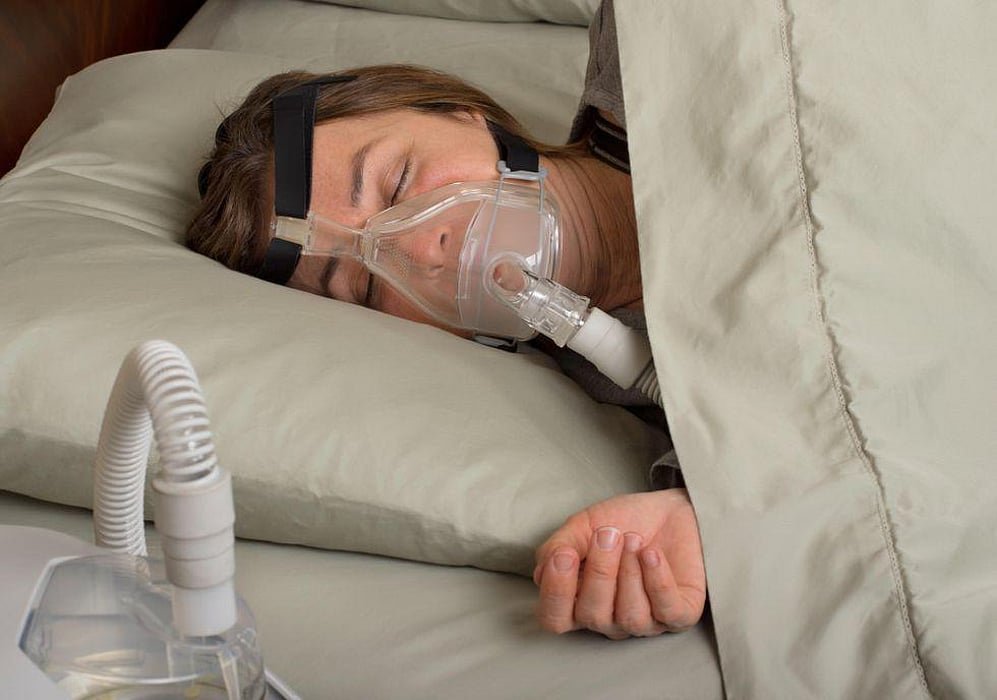
Sleep is an element of daily wellbeing, and the quality of rest can shape how a person functions during waking hours. Breathing interruptions during sleep may go unnoticed for years, influencing energy levels, mood, and overall health. Sleep apnea is one of the more common sleep-related conditions. Continuous positive airway pressure therapy, widely known as CPAP, remains one of the most recognized approaches to managing it. Specialized CPAP clinics exist to guide people through evaluation, device selection, and ongoing support.
What Is Sleep Apnea?
Sleep apnea is a condition in which breathing repeatedly stops and starts during sleep. These pauses may last a few seconds or longer, and they can occur many times throughout the night. The most common form is obstructive sleep apnea, which happens when the muscles at the back of the throat relax and block the airway. A second form, central sleep apnea, occurs when the brain does not send the correct signals to the muscles that control breathing.
The interruptions happen during sleep, so people may be unaware they have the condition. A partner or family member can be the first to notice a problem. Common signs include loud and frequent snoring, along with gasping or choking sounds during sleep and long pauses in breathing observed by another person.
Daytime symptoms can also point toward sleep apnea, such as persistent tiredness even after a full night in bed, difficulty concentrating, morning headaches, or irritability. Some report waking with a dry mouth or sore throat. A medical professional can determine whether these symptoms relate to sleep apnea or another cause, and a sleep study is frequently used to reach an accurate assessment.
What Is CPAP?
CPAP stands for continuous positive airway pressure. It is a therapy designed to keep the airway open during sleep by delivering a steady stream of pressurized air. This gentle air pressure acts as a support that prevents the soft tissues of the throat from collapsing and blocking airflow. A CPAP system includes three main parts. The first is the machine itself; this draws in room air and pressurizes it. Second is a hose or tube, carrying the air from the machine to the user. The mask is third.
What Does Treatment Involve?
A CPAP clinic focuses on the diagnosis, treatment, and long-term management of sleep-related breathing conditions. The process usually begins with an assessment of a person’s symptoms and sleep history. If sleep apnea is suspected, the clinic may arrange a sleep study. This can either be done in the clinic or through a home testing kit; this test aims to measure breathing, oxygen levels, and other factors during rest.
Once a diagnosis is confirmed, the clinical team helps determine appropriate pressure settings and recommends a machine suited to the individual’s needs. Support does not end after the equipment is provided. CPAP clinics offer follow-up appointments to review progress, and they can address any difficulties. This ongoing care helps people adapt to treatment, helping to maintain steady progress.
Visit a CPAP Clinic
Managing sleep apnea is an ongoing process, and a CPAP clinic serves as a reliable resource. Beyond initial setup, these clinics may help with supplies that wear out over time and need periodic renewal. Reaching out to a clinic is a practical step toward finding a treatment approach suited to your needs.
About the author : ahmadrazaguruu@gmail.com