Natural-looking results depend on skill, planning, and honest communication. You want changes that fit your face and body, and a qualified plastic surgeon works toward that goal. A skilled provider studies your anatomy while listening to your goals and building a plan that respects your existing features.
Evaluating Your Anatomy First
Your plastic surgeon examines your anatomy, and this review shapes the entire plan. Every procedure begins with a careful assessment. During this stage, your surgeon measures proportions, reviews your medical history, and asks about your goals so the plan fits you. This conversation matters, and it helps your provider understand what you want to change and what you want to keep. Clear communication at this stage reduces the chance of unexpected outcomes. Your provider studies how each feature relates to the others, because no feature exists in isolation. Your surgeon may use imaging tools to preview changes, and this step supports realistic planning. Seeing a projected outcome helps you and your surgeon align on the right approach.
- Your surgeon measures facial and body proportions to understand your existing structure.
- Medical history is reviewed to identify factors that may affect your results.
- Your goals are discussed so the plan addresses what you want to change and what to keep.
- Imaging tools may be used to preview potential outcomes before any decisions are made.
- Each procedure is planned in sequence when combining surgeries, such as a mommy makeover.
Applying Precise Surgical Technique
Precision guides every surgical decision, since it should look natural. Small adjustments create large differences, and experienced surgeons understand that principle well. Precise technique matters in body procedures too. Liposuction and a tummy tuck require careful contouring, and your surgeon shapes each area to match your frame. Your provider removes tissue in layers, blending each zone into the next so no area looks isolated. Your surgeon checks your chest width, tissue thickness, and natural breast position before deciding. These measurements guide every choice, and they help check that the outcome fits your body rather than working against it. Instrument selection also plays a role in precision. Your surgeon chooses tools suited to each tissue type, and this choice affects how accurately they can work.
Practicing Surgical Restraint
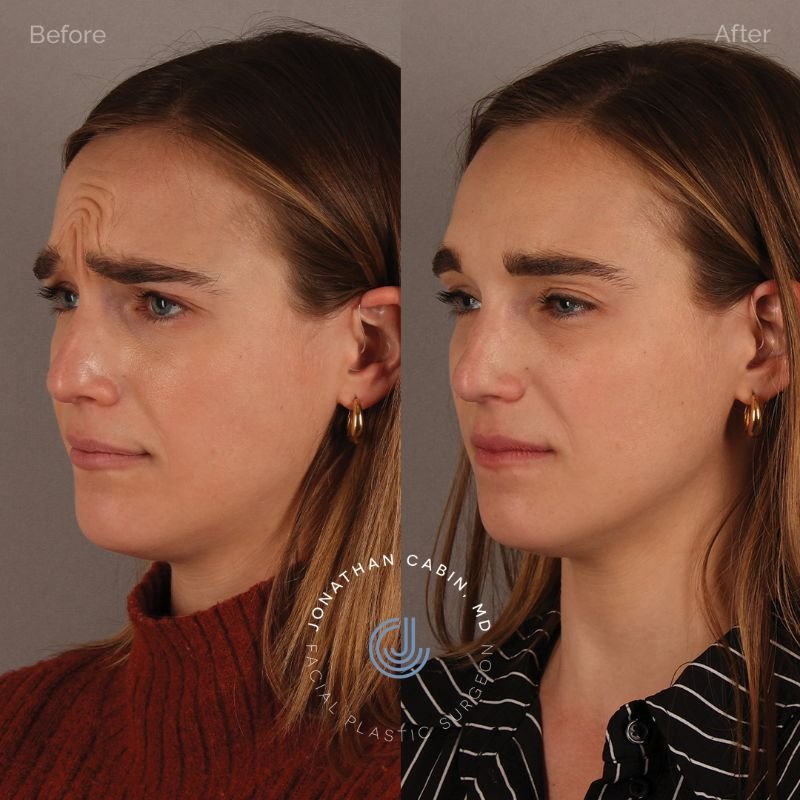
Restraint separates natural results from obvious ones. Less may be more, and thoughtful surgeons resist overcorrection. A Facelift performed with restraint smooths tissue while keeping your expressions intact. Your surgeon avoids excessive tension, and this choice prevents a pulled appearance. The same principle applies to a brow lift, which should lift gently rather than raise the brow too high. Restraint also means knowing when to stop.
Your surgeon evaluates each area during the procedure, and they adjust as needed to avoid going too far. This judgment comes from experience. It protects the balance of your features. A small change in the right place can achieve more than a larger correction applied without care. In body work, a Brazilian butt lift needs measured fat transfer so the outcome looks proportionate. Your surgeon sees your existing frame, and they transfer only the volume your body can support naturally.
Book Your Plastic Surgeon Today
Natural results follow careful planning and skilled technique. You deserve a provider who assesses your features, works with precision, and applies restraint. Schedule a consultation to discuss your goals, and your surgeon will explain which options suit your anatomy. Since a clear plan starts with an honest conversation, take that first step today.
About the author : ahmadrazaguruu@gmail.com