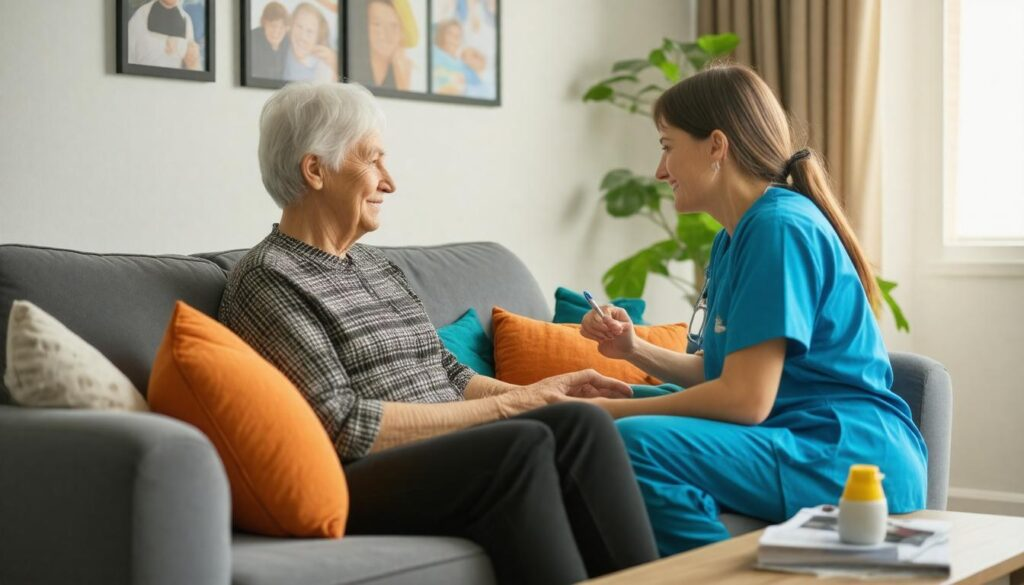
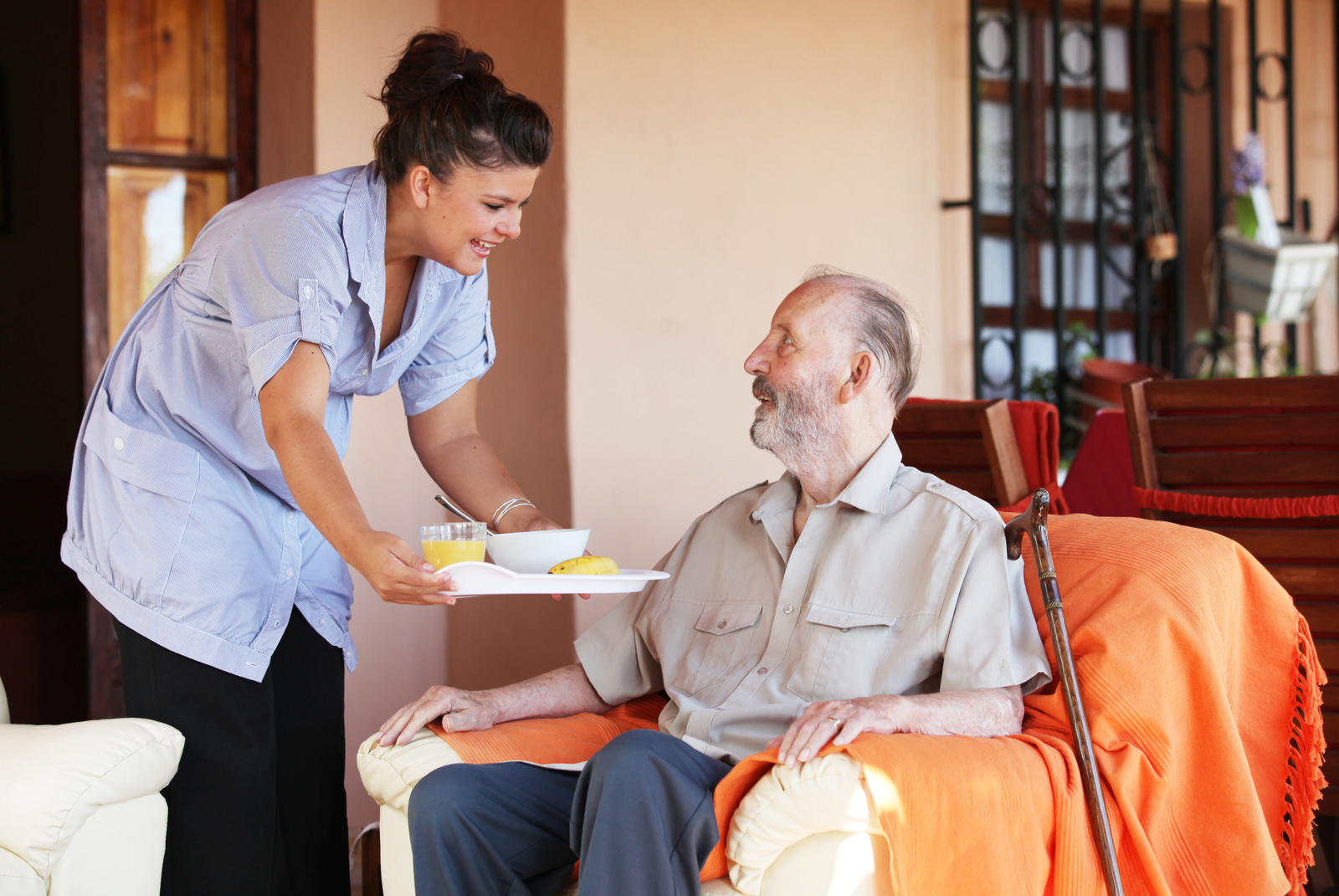
Caring for aging parents at home is one of the biggest responsibilities many families face. As parents grow older, they may need help with daily tasks, emotional support, medical care, and companionship. While taking care of elderly parents can feel challenging at times, it can also be a meaningful way to show love, respect, and gratitude for everything they have done for us.
Many seniors prefer staying at home instead of moving to a nursing facility. Home gives them comfort, familiar surroundings, and emotional security. With proper planning and support, families can create a safe and happy environment for aging parents.
In this article, you will learn simple and practical ways to care for elderly parents at home while keeping them healthy, comfortable, and emotionally supported.
Understand Their Needs
The first step in caring for aging parents is understanding what kind of help they need. Every senior has different physical, emotional, and medical needs.
Some older adults may only need help with cooking or cleaning, while others may require assistance with bathing, walking, or taking medications. Spend time observing their daily routine and ask questions kindly.
Important areas to consider include:
- Physical health
- Mental health
- Mobility and balance
- Eating habits
- Personal hygiene
- Emotional well-being
- Social interaction
Open communication helps parents feel respected and involved in decisions about their care.
Create a Safe Home Environment
Safety is extremely important for seniors because falls and injuries can happen easily. Small changes in the home can make a big difference.
Here are some ways to improve home safety:
Remove Fall Hazards
- Remove loose rugs
- Keep floors dry and clean
- Organize electrical cords
- Ensure rooms have enough lighting
Install Safety Equipment
- Handrails in hallways
- Grab bars in bathrooms
- Non-slip mats in showers
- Raised toilet seats if needed
Improve Accessibility
If your parents have trouble walking, arrange furniture to create clear pathways. Keep commonly used items within easy reach to avoid climbing or bending too much.
A safe environment helps seniors stay independent longer.
Help with Daily Activities
As people age, daily tasks can become difficult. Offering support with everyday activities can make life easier and less stressful.
You may need to assist with:
- Cooking meals
- Grocery shopping
- Laundry
- Bathing and dressing
- Cleaning the house
- Paying bills
- Transportation to appointments
Try to encourage independence whenever possible. Let them do tasks they can still manage safely. This helps maintain confidence and dignity.
Focus on Healthy Nutrition
Good nutrition plays a major role in healthy aging. Older adults often experience changes in appetite, digestion, or taste preferences.
Provide balanced meals that include:
- Fruits and vegetables
- Whole grains
- Lean proteins
- Dairy or calcium-rich foods
- Plenty of water
Limit foods high in sugar, salt, and unhealthy fats.
Some seniors may forget to eat or drink enough water, which can lead to weakness or dehydration. Create regular meal schedules and offer healthy snacks throughout the day.
If your parent has medical conditions like diabetes or high blood pressure, follow the doctor’s dietary recommendations carefully.
Manage Medications Properly
Many elderly people take multiple medications daily. Missing doses or taking the wrong medicine can create serious health problems.
Here are simple ways to manage medications safely:
- Use a pill organizer
- Keep a medication schedule
- Set phone reminders
- Store medicines properly
- Review medications regularly with a doctor
Always watch for side effects such as dizziness, confusion, or stomach problems.
Keep emergency phone numbers and medical information easily available in case of urgent situations.
Support Emotional Health
Aging can sometimes lead to loneliness, anxiety, or depression. Seniors may feel isolated after retirement, losing friends, or facing health problems.
Emotional support is just as important as physical care.
Ways to support emotional well-being include:
- Spend quality time together
- Listen patiently
- Encourage hobbies
- Celebrate special occasions
- Involve them in family activities
- Encourage social interaction with friends or neighbors
Simple conversations and companionship can greatly improve their mood and mental health.
Encourage Physical Activity
Regular movement helps seniors stay stronger, healthier, and more independent.
Physical activity can improve:
- Balance
- Flexibility
- Heart health
- Mood
- Sleep quality
Choose activities based on their health condition and abilities.
Good options include:
- Walking
- Light stretching
- Chair exercises
- Gardening
- Gentle yoga
Always consult a doctor before starting new exercise routines, especially if your parent has medical conditions.
Take Care of Medical Needs
Regular medical checkups are important for aging parents. Health issues become more common with age, and early treatment can prevent complications.
Help schedule and attend appointments if needed. Keep track of:
- Blood pressure
- Blood sugar levels
- Vision and hearing exams
- Dental care
- Vaccinations
Pay attention to signs of memory problems, confusion, or sudden behavior changes, as these may require medical attention.
Having organized medical records can make healthcare management much easier.
Respect Their Independence
Many seniors fear losing their independence. Even when they need assistance, they still want control over their lives.
Show respect by:
- Asking for their opinions
- Including them in decisions
- Respecting privacy
- Encouraging independence when safe
Avoid treating them like children. Patience and understanding help maintain a positive relationship.
Supporting independence can improve their confidence and emotional well-being.
Manage Caregiver Stress
Caring for aging parents can sometimes become physically and emotionally exhausting. Many family caregivers forget to care for themselves while focusing on others.
Common signs of caregiver stress include:
- Fatigue
- Anxiety
- Irritability
- Sleep problems
- Feeling overwhelmed
To avoid burnout:
- Take breaks regularly
- Ask family members for help
- Join caregiver support groups
- Maintain your own health
- Get enough rest
Remember, taking care of yourself allows you to provide better care for your parents.
Consider Professional Help
Sometimes professional assistance may be necessary, especially when medical or personal care needs increase.
Options include:
- Home nurses
- Physical therapists
- Caregivers
- Adult daycare programs
Hiring professional support does not mean you are failing. It simply provides extra help and ensures your parent receives proper care.
Even part-time assistance can reduce stress for family caregivers.
Build a Daily Routine
A regular routine helps seniors feel comfortable and secure. Predictable schedules can reduce confusion and anxiety.
Try creating routines for:
- Meals
- Medications
- Exercise
- Rest
- Social activities
Consistency improves both physical and emotional health.
Simple routines also help caregivers stay organized and manage responsibilities more easily.
Use Technology for Better Care
Technology can make caring for aging parents easier and safer.
Helpful tools include:
- Medication reminder apps
- Video calling apps
- Emergency alert systems
- Smart home devices
- Health monitoring devices
These tools can improve communication and provide peace of mind for family members.
Final Thoughts
Caring for aging parents at home is a journey filled with responsibility, patience, and love. While it may sometimes feel difficult, your support can greatly improve their quality of life.
The most important thing is to create a safe, respectful, and caring environment where your parents feel valued and comfortable. Small daily efforts, emotional support, healthy routines, and proper planning can make a huge difference.
Remember that caregiving is not about perfection. It is about being present, compassionate, and willing to help your loved ones through this stage of life with dignity and care.
Frequently Asked Questions (FAQs)
1. What is the best way to care for elderly parents at home?
The best way is to provide a safe environment, healthy meals, emotional support, proper medical care, and help with daily activities while respecting their independence.
2. How can I make my home safer for aging parents?
You can improve safety by removing fall hazards, installing grab bars, improving lighting, and keeping pathways clear.
3. How do I deal with caregiver stress?
Take regular breaks, ask for support from family members, join support groups, and make time for your own health and rest.
4. When should I hire professional caregivers?
Professional help may be needed if your parent requires medical care, constant supervision, or help with daily activities that become difficult for family members to manage alone.
5. Why is emotional support important for seniors?
Emotional support helps reduce loneliness, anxiety, and depression while improving overall happiness and mental health.
About the author : ahmadrazaguruu@gmail.com