
Your lungs are one of the most important organs in your body. Every breath you take brings oxygen into your system and removes carbon dioxide. When your lungs are healthy, your whole body feels more energetic, your brain works better, and even your mood improves. But in today’s world, pollution, smoking, stress, and unhealthy habits can slowly weaken lung function.
The good news is that you can improve lung health naturally—and you can start seeing changes faster than you might expect. You don’t always need medicines or complicated treatments. Simple daily habits, home remedies, and lifestyle changes can make a big difference.
In this article, we will explore easy, natural, and fast ways to improve your lung health in a human, practical way that anyone can follow.
1. Start With Deep Breathing Exercises
One of the fastest and simplest ways to improve lung health is deep breathing. Most people only use a small part of their lung capacity when breathing. Deep breathing helps open up more lung space and increases oxygen intake.
Try this simple exercise:
- Sit comfortably or lie down
- Inhale slowly through your nose for 4 seconds
- Hold your breath for 4–5 seconds
- Exhale slowly through your mouth for 6–7 seconds
- Repeat for 5–10 minutes daily
This practice strengthens your lungs, reduces stress, and helps clear stale air from your respiratory system.
Over time, deep breathing can improve lung efficiency and even help people with mild breathing issues feel better.
2. Stay Hydrated to Cleanse Your Lungs
Water is very important for lung health. When your body is well hydrated, mucus in your lungs stays thin and easier to clear out. Thick mucus can trap dirt, dust, and bacteria, making breathing harder.
Drink at least 8–10 glasses of water daily. You can also include:
- Warm water in the morning
- Herbal teas
- Natural juices (without added sugar)
Hydration helps your lungs naturally detox and stay clean.
3. Exercise Regularly to Strengthen Your Lungs
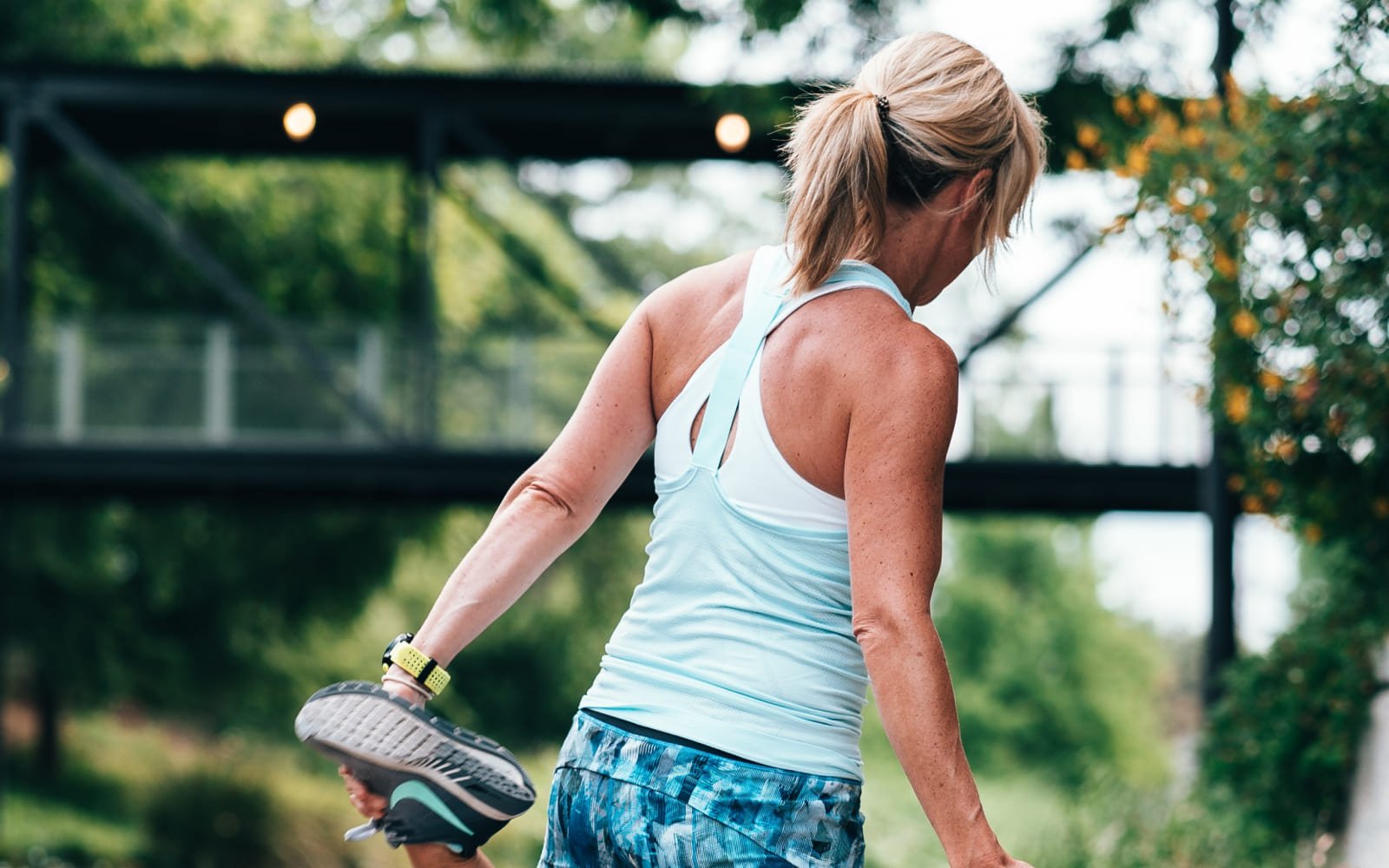
Physical activity is one of the best natural ways to improve lung function quickly. When you exercise, your lungs work harder to supply oxygen, which strengthens them over time.
Good exercises for lung health include:
- Walking briskly
- Jogging or running
- Swimming
- Cycling
- Yoga
Even 20–30 minutes of daily exercise can improve your breathing capacity. If you are a beginner, start slow and gradually increase intensity.
Exercise also helps your body get rid of toxins through sweat and improves overall circulation.
4. Avoid Smoking and Air Pollution Exposure
If you want fast improvement in lung health, avoiding harmful substances is very important. Smoking is one of the biggest causes of lung damage. Even passive smoking (being around smokers) can harm your lungs.
Also try to reduce exposure to:
- Dust
- Vehicle smoke
- Industrial pollution
- Strong chemical fumes
If you live in a polluted area, wearing a mask outdoors and keeping indoor air clean can help protect your lungs.
5. Eat Lung-Healthy Foods
Food plays a big role in lung strength and healing. Certain foods help reduce inflammation, clear mucus, and improve oxygen flow.
Include these foods in your diet:
- Apples (rich in antioxidants)
- Garlic (cleanses lungs naturally)
- Ginger (reduces inflammation)
- Turmeric (supports lung detox)
- Green leafy vegetables (spinach, kale)
- Citrus fruits (oranges, lemons)
Avoid too much junk food, fried items, and processed sugar because they can increase inflammation in the body.
6. Practice Steam Inhalation
Steam inhalation is a simple home remedy that gives quick relief to congested lungs. It helps open airways, loosen mucus, and make breathing easier.
How to do it:
- Boil water in a pot
- Carefully lean over it
- Cover your head with a towel
- Inhale steam for 5–10 minutes
You can also add eucalyptus oil or peppermint oil for better results.
This method is especially helpful during cold, cough, or sinus issues.
7. Improve Indoor Air Quality
Since people spend most of their time indoors, clean air at home is very important for lung health.
You can improve indoor air by:
- Opening windows for fresh air
- Using air-purifying plants like aloe vera or snake plant
- Cleaning dust regularly
- Avoiding strong chemical cleaners
Fresh air helps your lungs breathe easier and reduces irritation.
8. Reduce Stress for Better Breathing
Stress can affect how you breathe. When you are stressed, your breathing becomes shallow and fast, which reduces oxygen intake.
To reduce stress:
- Try meditation
- Listen to calming music
- Practice yoga
- Take short breaks during work
Relaxed breathing improves lung efficiency and overall health.
9. Maintain Good Posture
Good posture helps your lungs expand fully. Sitting hunched over can compress your lungs and reduce airflow.
To improve posture:
- Sit straight with shoulders relaxed
- Keep your chest open
- Avoid slouching for long periods
Even small posture corrections can improve breathing instantly.
10. Get Enough Sleep
Your body repairs itself while you sleep, including your lungs. Poor sleep can weaken immunity and reduce lung efficiency.
Try to:
- Sleep 7–9 hours daily
- Maintain a regular sleep schedule
- Avoid screens before bedtime
Good sleep supports lung recovery and overall respiratory health.
Final Thoughts
Improving lung health naturally and fast is possible if you stay consistent with your habits. You don’t need extreme changes—just simple daily actions like deep breathing, exercise, clean eating, and avoiding pollution can make a big difference.
Your lungs are always working for you. Taking care of them means taking care of your entire body. Start small, stay consistent, and you will feel the improvement in your breathing, energy, and overall well-being.
FAQs
1. How quickly can I improve my lung health naturally?
You may start noticing small improvements in breathing within 1–2 weeks if you follow healthy habits daily, but long-term results come with consistency.
2. Can lungs heal naturally after smoking?
Yes, the lungs can recover to some extent after quitting smoking. The sooner you stop, the better your lungs can repair over time.
3. Is walking good for lung health?
Yes, walking is one of the easiest and most effective exercises to improve lung capacity and oxygen flow.
4. Does drinking water really help lungs?
Yes, staying hydrated helps keep mucus thin, making it easier for lungs to clear out toxins and dust.
5. What is the best breathing exercise for lungs?
Deep diaphragmatic breathing is one of the best exercises. It helps expand lung capacity and improves oxygen intake naturally.
About the author : ahmadrazaguruu@gmail.com