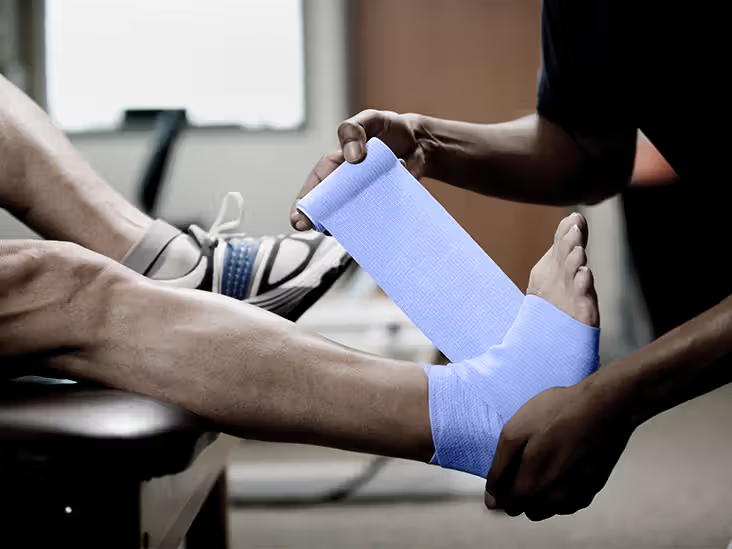
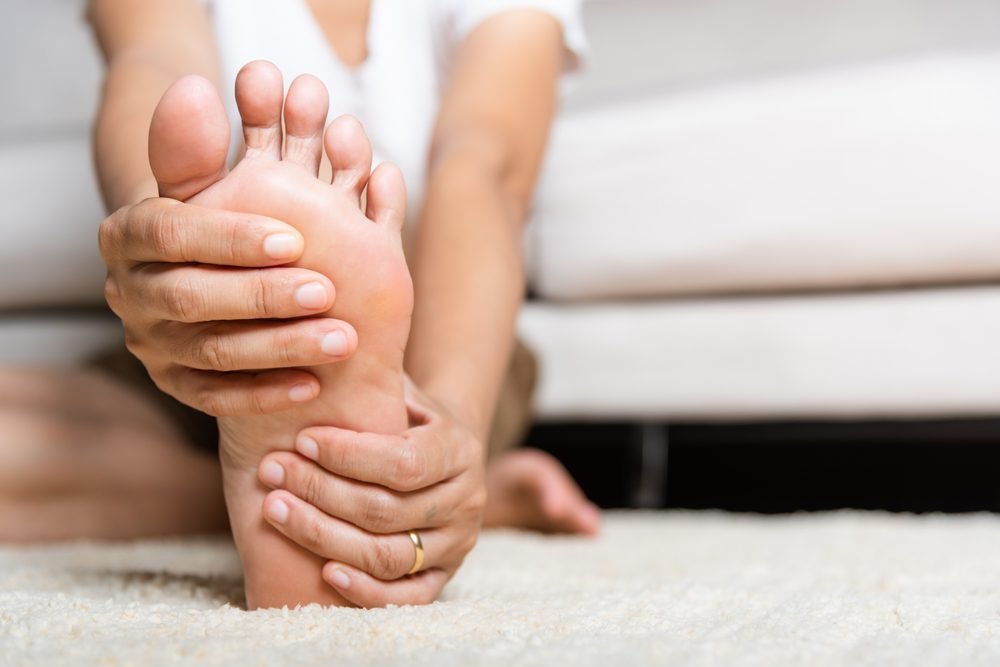
Plantar fasciitis is a common cause of heel pain that develops when the tissue supporting the arch of the foot becomes irritated or strained. Proper footwear, stretching, and professional treatment may help reduce discomfort and improve mobility. Here is more information on how to manage plantar fasciitis:
Relieving Heel Pain
The first step in managing plantar fasciitis is lowering the daily load on your heel. Rest matters here, though complete inactivity is rarely required. When you reduce repetitive impact, the irritated tissue gets a chance to settle and recover. Several everyday methods can ease pain and limit strain, and you can combine them based on your routine. Here are some of them:
- Apply ice: Roll a frozen water bottle under your foot for 10-15 minutes to calm inflammation.
- Modify activity: Replace high-impact exercise with swimming or cycling while your foot recovers.
- Take short breaks: Sit and elevate your foot during long shifts to reduce continuous pressure.
- Avoid barefoot walking: Hard floors increase strain, so wear supportive shoes indoors.
Stretching and Strengthening Feet
Gentle stretching keeps the plantar fascia and surrounding muscles flexible, and it can reduce the tightness that often accompanies plantar fasciitis. A tight calf pulls on the heel, so stretching the calf and the arch together tends to help most. Start slowly, and stop if a movement sharply increases your pain.
A simple calf stretch involves standing at arm’s length from a wall, placing one foot back, and pressing the heel toward the floor while keeping the leg straight. You can hold this position for about 30 seconds, and you can repeat it several times on each side. Rolling your arch over a small ball may also loosen the tissue, though light pressure is enough to feel the effect.
Choosing Supportive Footwear
Footwear influences how much strain reaches your heel, and the right pair can make daily movement more comfortable. Worn-out shoes lose their support, so replacing them on time is a helpful habit. Keep the following points in mind when buying running shoes or everyday pairs:
- Arch support: Look for built-in support that matches the shape of your foot.
- Heel cushioning: A padded heel absorbs impact during walking and standing.
- Firm midsole: A sole that resists twisting keeps your foot aligned.
- Proper fit: Shoes that fit well prevent extra movement that irritates the tissue.
Orthotics offer another layer of support, and they come as over-the-counter inserts or custom-made devices. A specialist can design custom orthotics for specific needs.
Treating Persistent Symptoms
Home management can help some people with plantar fasciitis, but some symptoms call for professional attention. Pain that lasts beyond a few weeks, worsens over time, or limits your daily activity signals a need for evaluation. A specialist can confirm the diagnosis, rule out other causes, and build a plan suited to your situation. Professional care may include a physical exam, imaging, and personalized treatment recommendations. A provider may recommend targeted therapy, night splints, or other options based on your history and goals.
Schedule Your Plantar Fasciitis Appointment
Seeking timely care for plantar fasciitis is fundamental to managing symptoms and preventing further complications. An individualized approach that includes professional evaluation, targeted therapies, and consistent self-care can significantly improve outcomes and restore your daily activities. Contact a qualified podiatrist near you to schedule your plantar fasciitis appointment today.
About the author : ahmadrazaguruu@gmail.com