
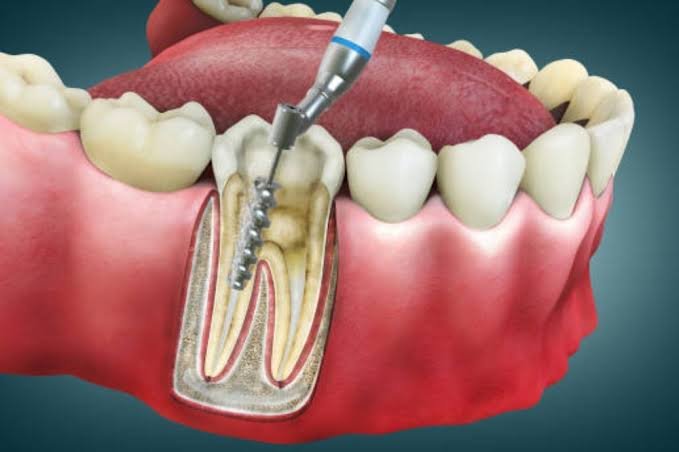
A root canal treats a tooth when decay or injury reaches the soft inner tissue called the pulp, and it alleviates pain. Your dentist removes the infected pulp, cleans the space, and seals the tooth. When you act early, the procedure typically stays simpler. Here is more information on the long-term benefits of timely care:
Preserved Natural Tooth
A root canal removes damaged tissue while keeping the outer tooth in place. Your natural tooth stays rooted, and the crown continues to work for chewing. Since the structure remains, you avoid the gap that follows an extraction. Keeping your own tooth often means fewer follow-up procedures later.
Timing shapes the outcome of this preservation. Early treatment may leave more healthy tooth to save. A weaker tooth may need a crown, and severe damage sometimes rules out repair entirely. When you schedule promptly, your dentist has more of the tooth to work with.
Stopped Infection
An untreated infection spreads from the pulp into the surrounding tissue. A root canal clears the bacteria, and the sealed tooth blocks reentry. Since the source is removed, the swelling around the area tends to settle. Prompt care limits how far the problem travels.
Left alone, the infection may reach nearby regions. Watch for these warning signs:
- Persistent throbbing pain
- Swollen areas in the gums or face
- Increased sensitivity to hot or cold
- Bad taste near the tooth
Report symptoms early, and your dentist reviews the tooth quickly. A small delay sometimes turns a simple visit into a longer one. When you act on these signals, treatment typically stays contained.
Avoided Bone Loss
The jawbone relies on tooth roots for regular stimulation. When a tooth is lost, that stimulation stops, and the surrounding bone may shrink over time. A root canal keeps the root in place, so the bone continues to receive pressure from chewing. This helps hold the shape of your jaw.
Bone loss affects more than one tooth. Neighboring teeth sometimes shift toward an empty space, and your bite changes as a result. Since the treated tooth stays put, the teeth around it keep their alignment. Saving the tooth early supports the whole area.
Root canal treatment restores the function of your tooth, allowing you to chew and smile naturally. It not only prevents further damage but also protects the surrounding teeth from unnecessary stress. While the procedure might seem intimidating at first, understanding its benefits can help you feel more confident about preserving your oral health.
Reduced Pain
Deep decay presses on the nerve inside your tooth. A root canal removes that nerve tissue, and the sharp sensitivity often fades afterward. Since the inflamed pulp is gone, everyday triggers like cold drinks bother you less. Many patients notice relief within a few days.
Modern techniques focus on comfort during the visit. Local anesthesia numbs the area, so the procedure feels similar to a filling. Your dentist explains each step, and you know what to expect before treatment begins. Timely care also keeps discomfort from building into a larger problem.
Schedule a Root Canal Today
Timely root canal therapy offers advantages, and each benefit depends on acting before the damage deepens. Early attention keeps your choices open, and a short visit now often prevents a longer one later. If you notice symptoms, contact your dental office and schedule an evaluation.
About the author : ahmadrazaguruu@gmail.com