
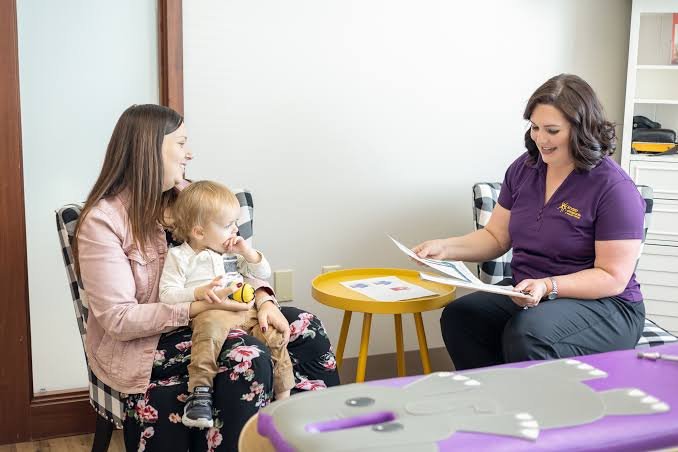
A well child checkup allows healthcare providers to monitor a child’s growth, development, nutrition, behavior, and overall health. It also gives parents and caregivers an opportunity to discuss concerns and receive practical guidance. Here is a closer look at common concerns addressed during a well child exam:
Growth and Development
Every well child checkup starts with measurements; these numbers provide valuable information about your child’s growth pattern. The provider records height, weight, and head circumference for younger children, then plots them on growth charts. These charts compare your child to others of the same age and sex, and they show trends across multiple visits. Development extends beyond size, and it covers the skills your child gains at each stage. The provider may ask whether your toddler walks, talks, or points, and these milestones can be helpful indicators of progress. You know your child best, so share any changes you have noticed at home.
Nutrition and Sleep
Food and rest influence how your child feels and functions each day, and both topics come up often during a well child checkup. The provider may ask about eating habits, portion sizes, and mealtime routines, then offer general guidance based on your child’s age. If your child is a picky eater, mention it, because small details give the provider a full understanding. Here are a few points to keep in mind:
- Sleep duration: Note how many hours your child sleeps on a typical night, and mention any recent changes.
- Bedtime routines: Describe how your child winds down, since consistent habits often support better rest.
- Nighttime waking: Track how often your child wakes, and share whether this affects daytime energy.
These details give the provider context and influence practical suggestions.
Behavior and Learning
Behavior provides clues about how your child copes with daily life, and providers often ask about it during a well child checkup. You may discuss tantrums, mood changes, or how your child interacts with siblings and friends. These conversations are judgment-free, so speak openly about what you observe.
Learning is also part of the discussion, especially once your child starts school. The provider asks about attention, reading habits, or classroom feedback, and your input adds valuable detail. If a teacher has raised a concern, bring it up, because early conversations help you plan next steps. For older children and teens, emotional health becomes a larger focus. Contemplate mentioning stress, screen time, or friendships, since these factors shape well-being.
Screenings and Preventive Care
Preventive care is the backbone of every well child checkup, and it protects your child as they grow. The provider reviews the immunization schedule, checks which vaccines are due, and explains what each one covers. You can ask questions about timing or side effects, and the provider will walk you through the details. To help you know what to expect, here are common screenings providers may perform:
- Vision and hearing: These checks detect issues that may affect learning and daily activities.
- Blood pressure: Providers measure this in older children to establish a baseline.
- Developmental screening: Short questionnaires assess whether milestones are on track.
Each screening gives the provider valuable data to guide your child’s care plan.
Schedule Your Well Child Checkup Today
Regular well-child checkups are fundamental for monitoring your child’s growth, development, and overall health. These visits include assessments such as vision and hearing tests, blood pressure measurements, and developmental screenings. They allow healthcare providers to identify potential concerns early. By understanding what to expect during these appointments, you can better support your child’s health and well-being. Contact a qualified healthcare provider near you to schedule your well child exam today.
About the author : ahmadrazaguruu@gmail.com