
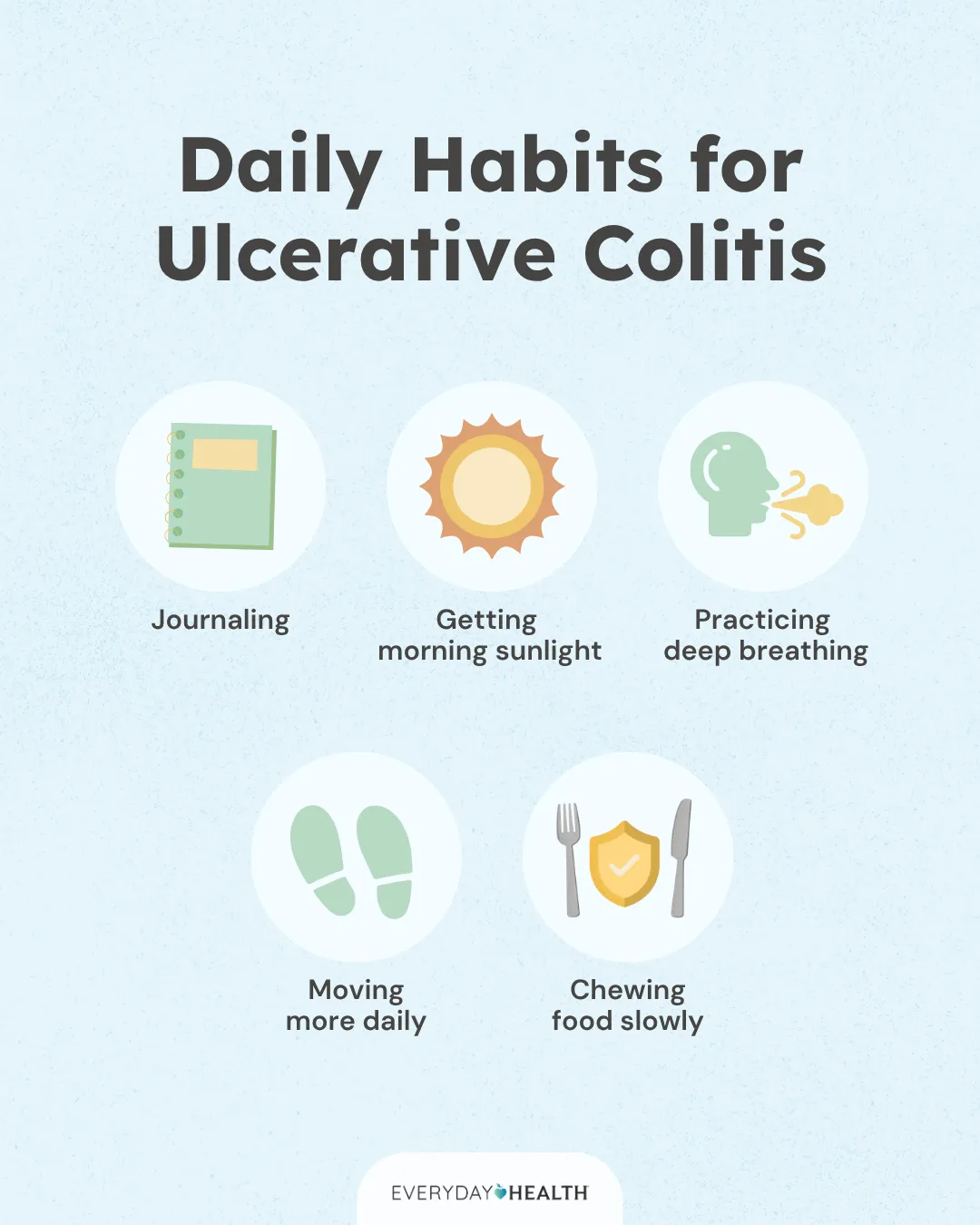
Ulcerative colitis is a chronic condition that inflames the lining of the large intestine, and it can impact daily life. When symptoms strike, they affect work, sleep, and social plans, and this makes daily routines harder to follow. Many people live with it for years. Here is more information on this condition and how it can affect your daily activities:
Inflammatory Bowel Disease Form
Ulcerative colitis belongs to a group called inflammatory bowel disease. The immune system attacks the colon by mistake, and this triggers ongoing inflammation. The disease is incurable but treatable. Genetics and environment both play a role in who develops it.
The disease targets the colon and rectum specifically. Symptoms range from mild to severe, and the pattern differs from one person to the next. Since inflammation spreads across the inner lining, sores called ulcers often form. Regular monitoring helps track how far the disease reaches.
Frequent Bowel Movements
Frequent bowel movements are among the typical disruptive symptoms. You may rush to the bathroom many times a day, and urgency arrives without warning. This affects travel and meetings. When flares worsen, some people experience 10 or more trips to the bathroom daily.
Diet influences how often symptoms appear. Certain foods irritate the gut, and tracking your meals helps you spot patterns. Typical triggers include:
- Dairy products
- Spicy or fatty foods
- High-fiber vegetables during flares
- Excessive caffeine and alcohol
As triggers vary, keeping a food journal gives you useful data. You share these notes with your doctor, and that guides your treatment plan. Adjusting your diet reduces some discomfort over time.
Rectal Bleeding
Rectal bleeding signals active inflammation in the colon. You might notice blood in the stool, and this typically appears alongside mucus. The amount varies by severity. Persistent bleeding leads to fatigue and low iron.
Anemia develops when blood loss continues over weeks. Your body struggles to carry enough oxygen, and you feel tired or weak as a result. When iron levels drop, doctors sometimes recommend supplements. Blood tests measure how much the loss affects you.
Ulcerative colitis needs ongoing medical attention. Treatments include medication, dietary changes, and sometimes surgery, and your doctor tailors the plan to your case. Early care reduces complications. When you act on symptoms quickly, you protect your long-term health.
Chronic Flare-ups
Ulcerative colitis moves through cycles of flares and remission. During remission, symptoms fade, and daily life feels closer to normal. Flares return without a fixed schedule. Stress, infections, or missed medication often set them off.
Managing flares takes a steady routine. You follow your prescribed medication, and this keeps inflammation lower between episodes. When flare-ups disrupt sleep and appetite, planning ahead may reduce their impact. A few practical steps help:
- Take medication exactly as directed
- Track early warning signs
- Rest when symptoms intensify
- Contact your doctor about new symptoms
These habits give you a clearer sense of control. When you spot a flare early, you respond faster, and that limits how long it lasts. Consistency matters most during unpredictable stretches.
Get Treated for Ulcerative Colitis
A gastroenterologist reviews your history, and together you build a plan that fits your life. Since each case differs, professional guidance shapes the right approach for you. Schedule an appointment with a specialist, bring your symptom notes, and ask questions about your treatment options. When you begin treatment, you can aim for steadier days ahead.
About the author : ahmadrazaguruu@gmail.com