
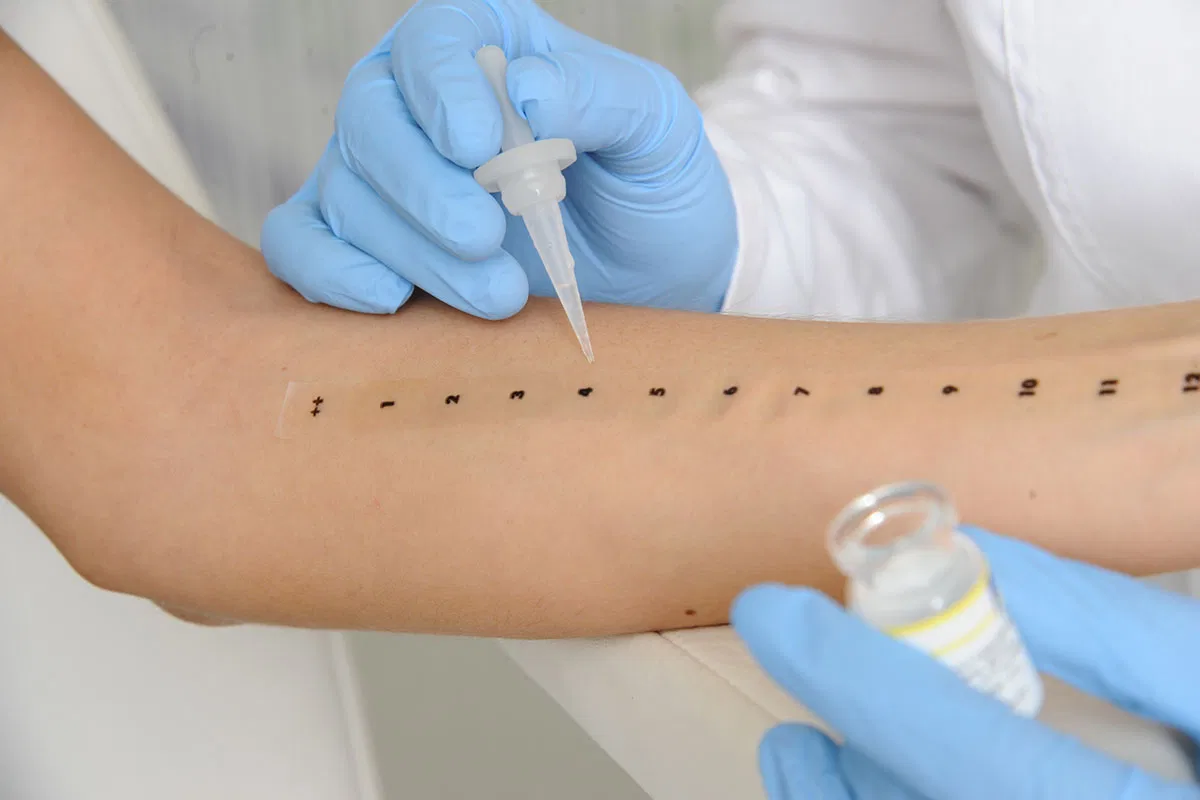
Allergy testing is a group of procedures used to identify substances that may be triggering a reaction in the body, and it helps healthcare providers understand how a person responds to specific allergens. People pursue allergy tests when they experience recurring symptoms such as sneezing, skin irritation, or breathing difficulties without another clear cause. Here is more information about different types of allergy tests:
Explaining Skin Prick Allergy Testing
Skin prick testing is one of the most common allergy testing methods, and it involves placing small amounts of suspected allergens on the surface of the skin. A provider usually applies these substances to the forearm or the back. Then they use a thin device to gently prick the skin so the allergen can enter the outer layer. After a short wait, the provider examines each site for a response, such as redness or a small raised bump. The results are recorded and compared; this comparison gives the provider a clearer picture of which substances produced a reaction.
Reviewing Intradermal Allergy Test
An intradermal allergy test uses a slightly different approach, and it places a small amount of allergen just beneath the surface of the skin. Providers may use this method if skin prick testing does not produce clear results, or when they want to examine a specific allergen more closely. During the procedure, a provider follows a series of steps to assess the body’s response:
- A diluted allergen is injected beneath the skin’s surface using a fine needle.
- The injection site is closely observed for any changes over a set period of time.
- The provider evaluates the results, noting any reactions that surface tests may have missed.
Understanding Contact Test
Contact allergy tests are often called patch testing, and they focus on reactions that develop after the skin touches certain materials. Providers apply patches containing various substances to the back, and they remain in place for a set number of days. Once the waiting period ends, the provider removes the patches and inspects the skin for any delayed response.
Because reactions can appear gradually, follow-up visits are sometimes scheduled. These visits allow the provider to track skin changes, and they can adjust your medication or other therapist as needed. This method is frequently associated with substances found in metals, fragrances, cosmetics, and cleaning products.
Knowing When To Seek Help
Recognizing when to seek professional guidance can help you get the care you need. Persistent or unexplained symptoms are often a reason to schedule a visit. Reactions that may warrant a closer look from a qualified provider include:
- Symptoms that interfere with daily activities
- Disrupted or restless sleep caused by a reaction
- Skin or bodily responses that appear after contact with specific items
Get Help With Allergies Today
Allergy testing covers several methods, each designed to identify how the body responds to specific substances. After allergy testing is complete, your healthcare provider can advise you on the treatments for your specific allergies; for food and environmental allergies, trigger avoidance is a key strategy to prevent symptoms. Antihistamines and allergy therapy may also be options for some patients. If you want to learn more about allergy testing and how it works, consult a healthcare provider near you.
About the author : ahmadrazaguruu@gmail.com