
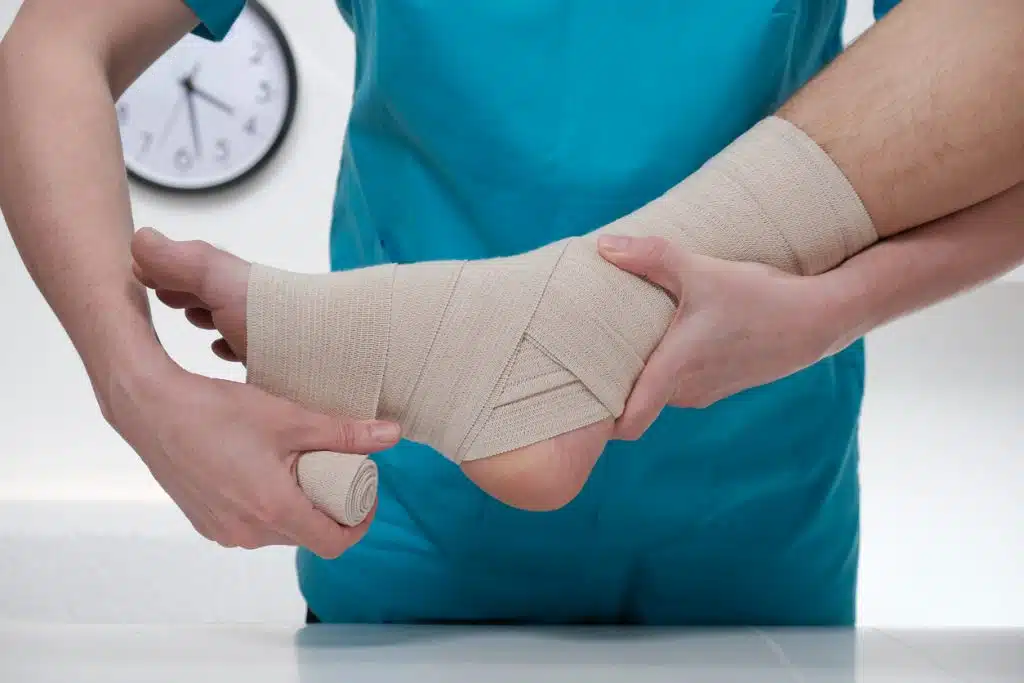
Wounds on the ankle can start from a minor scrape, but they sometimes turn into persistent injuries that need close attention. Everyday accidents cause many of them, and poor circulation or chronic conditions can slow the healing process. When you clean the area gently and watch for changes, you give your body a better environment to recover. Good aftercare protects the skin and lowers your risk of complications. Here is more information about ankle wound care:
Causes of Ankle Wounds
An ankle wound can form from a variety of everyday events. While a fall might tear the skin, friction from tight shoes sometimes rubs a sore open over time. Some wounds trace back to health issues like diabetes or venous insufficiency, and these conditions make healing harder.
Most shallow scrapes heal on their own with simple home care. When you clean the wound and apply a fresh dressing, minor injuries usually improve within days. Still, some wounds signal a deeper problem that calls for expert care. Certain ankle wounds need professional help right away, including:
- Deep cuts that expose fat, muscle, or bone
- Wounds that will not stop bleeding after steady pressure
- Sores that fail to heal after a significant time
- Injuries caused by dirty objects, bites, or punctures
Signs of Infection
An infected wound comes with hallmark symptoms. Spotting them early keeps small problems from worsening. Redness may spread outward from the edges, and the skin sometimes feels warm or tender to the touch. Swelling that worsens instead of fading is another common clue.
Look for pus, a foul smell, or fluid leaking from the wound. A fever can also point to infection; your body raises its temperature to fight off bacteria. When these symptoms show up together, contact your healthcare provider promptly.
Care for Diabetics
Diabetic foot and ankle care protects the feet and lower legs from serious harm. High blood sugar can damage nerves, and this nerve damage lowers a person’s ability to feel pain from a cut or blister. A small wound may go unnoticed for days because the warning signal of pain never arrives.
People with diabetes also tend to have reduced blood flow to the feet. Poor circulation slows the delivery of healing nutrients, which means a minor sore can become a deep ulcer. Professional diabetic foot care has several advantages:
- Early detection: Trained providers can identify and address problems before they escalate.
- Safe wound management: Podiatrists treat wounds using methods specifically designed to minimize complications.
- Nail and skin care: Careful trimming of nails and monitoring of skin condition helps prevent new wounds from forming.
- Amputation prevention: Proper wound care and regular check-ups significantly reduce the risk of amputation.
- Ongoing monitoring: Routine visits help address small issues before they become emergencies.
Learn More About Ankle Wounds
Ankle wounds come from many sources, and proper aftercare helps them heal well. Watch for signs of infection, and pay extra attention if you live with diabetes or poor circulation. If you want to learn more about treatment and care for ankle wounds, consult a podiatrist near you.
About the author : ahmadrazaguruu@gmail.com