
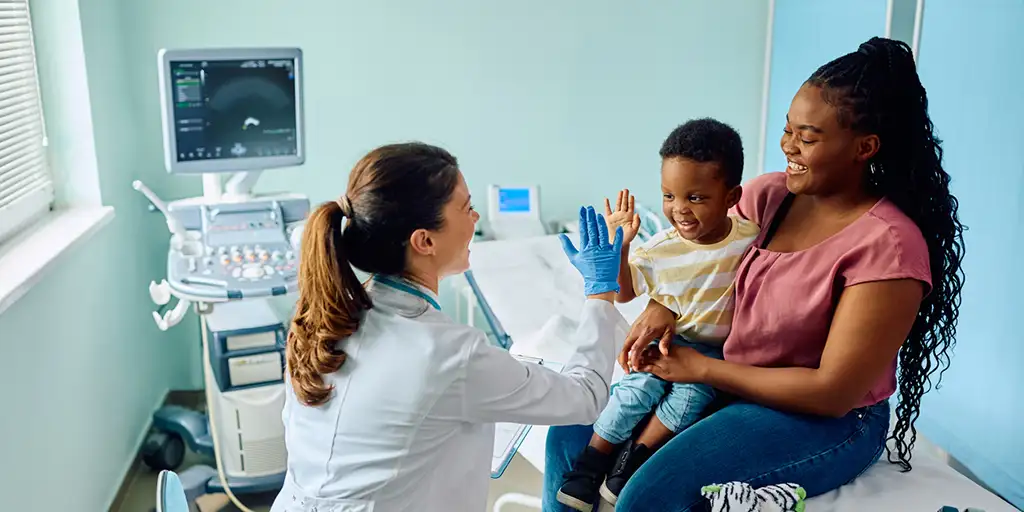
Getting sick or injured can be stressful, especially when you are not sure where to go for treatment. Many people wonder whether they should visit urgent care or head straight to the emergency room. Both places help patients with medical problems, but they are designed for different situations. Knowing the difference can save you time, money, and stress while making sure you receive the right medical care.
In this article, we will explain when to visit urgent care instead of the emergency room, the types of conditions each facility treats, and how to make the best decision during a medical situation.
Understanding the Difference Between Urgent Care and Emergency Room
Before deciding where to go, it is important to understand how urgent care centers and emergency rooms work.
What Is Urgent Care?
Urgent care centers treat non-life-threatening illnesses and injuries. These clinics are designed for patients who need quick medical attention but do not have a serious emergency. Most urgent care clinics offer walk-in services, meaning you do not need an appointment.
Urgent care centers are usually open during evenings, weekends, and holidays when regular doctor offices are closed. They are often faster and more affordable than emergency rooms.
What Is an Emergency Room?
An emergency room, also called an ER, is for serious and life-threatening conditions. Hospitals operate emergency rooms 24 hours a day and have doctors, nurses, and specialists ready to handle critical medical emergencies.
Emergency rooms have advanced medical equipment and can provide surgeries, intensive care, and emergency procedures if needed.
When You Should Visit Urgent Care
Urgent care is the best option when your condition is not dangerous but still requires prompt treatment. Here are common reasons to choose urgent care instead of the emergency room.
Minor Cuts and Burns
If you have a small cut that may need stitches or a minor burn, urgent care can help. Medical staff can clean the wound, stop bleeding, and provide treatment to prevent infection.
However, severe burns or deep wounds with heavy bleeding should be treated in the emergency room.
Cold, Flu, and Fever
Many people visit urgent care for flu symptoms, sore throat, cough, fever, or sinus infections. These conditions are uncomfortable but usually not life-threatening.
Urgent care clinics can diagnose illnesses, prescribe medications, and recommend treatment to help you recover faster.
Ear Infections and Eye Problems
Ear pain, pink eye, or mild eye irritation can often be treated at urgent care. Doctors can examine your symptoms and prescribe antibiotics or other medications if necessary.
Sprains and Minor Fractures
Twisted ankles, minor sprains, and simple fractures are common urgent care visits. Many clinics offer X-rays on-site to check for broken bones.
If the injury involves severe pain, visible bone deformity, or inability to move, you should go to the emergency room.
Mild Allergic Reactions
Some allergic reactions can be treated at urgent care, especially if symptoms are mild. Skin rashes, itching, or mild swelling may not require emergency care.
But if someone has difficulty breathing, swelling of the throat, or signs of anaphylaxis, call emergency services immediately.
Urinary Tract Infections
Urgent care clinics commonly treat urinary tract infections, also called UTIs. Symptoms may include pain during urination, frequent urination, or lower abdominal discomfort.
Quick treatment can help prevent the infection from becoming more serious.
Stomach Problems
Nausea, vomiting, diarrhea, or mild stomach pain can often be treated at urgent care. Doctors may provide medication, hydration advice, and tests if needed.
Severe abdominal pain or symptoms of internal bleeding require emergency care.
When You Should Go to the Emergency Room
Some medical conditions are too serious for urgent care. In these situations, the emergency room is the safest choice.
Chest Pain
Chest pain can be a sign of a heart attack or another dangerous condition. If someone experiences chest pressure, shortness of breath, or pain spreading to the arm or jaw, go to the emergency room immediately.
Difficulty Breathing
Serious breathing problems should never be ignored. Asthma attacks, severe allergic reactions, or trouble breathing may become life-threatening quickly.
Stroke Symptoms
Signs of a stroke include sudden weakness, confusion, trouble speaking, loss of balance, or facial drooping. Emergency treatment is critical because fast action can reduce brain damage.
Severe Injuries
Car accidents, major falls, deep wounds, or broken bones sticking through the skin need emergency room care. These injuries may require surgery or advanced medical treatment.
Heavy Bleeding
If bleeding does not stop after applying pressure, emergency care is necessary. Excessive blood loss can become dangerous within minutes.
Loss of Consciousness
Fainting, seizures, or unconsciousness can signal serious health issues and should always be evaluated in the emergency room.
Poisoning or Overdose
Poisoning, drug overdose, or accidental ingestion of harmful substances requires immediate emergency care.
Benefits of Choosing Urgent Care
When your condition is not life-threatening, urgent care offers several advantages.
Shorter Wait Times
Emergency rooms often treat patients based on severity, which means people with less serious conditions may wait for hours. Urgent care centers usually have faster service for minor illnesses and injuries.
Lower Costs
Urgent care visits are generally much cheaper than emergency room visits. Many insurance companies also have lower copays for urgent care.
Convenient Hours
Most urgent care centers stay open late and on weekends, making them a good choice when your regular doctor is unavailable.
Quick Access Without Appointments
Walk-in visits make urgent care convenient for unexpected illnesses or injuries.
How to Decide Where to Go
Sometimes it can be difficult to know whether a condition is urgent or an emergency. Here are a few questions to ask yourself:
- Is the condition life-threatening?
- Is the person having trouble breathing?
- Is there severe bleeding or chest pain?
- Could delaying treatment make the situation worse?
If the answer is yes to any of these questions, choose the emergency room.
If the condition is uncomfortable but not dangerous, urgent care is often the better option.
The Importance of Acting Quickly
No matter where you go, getting medical attention quickly is important. Ignoring symptoms or delaying care can make illnesses and injuries worse.
If you are unsure, it is always safer to contact a healthcare professional or seek medical advice.
Final Thoughts
Understanding when to visit urgent care instead of the emergency room can help you make smarter healthcare decisions. Urgent care is perfect for minor illnesses, small injuries, infections, and common medical problems that need quick attention but are not life-threatening.
Emergency rooms should be reserved for severe injuries, chest pain, breathing problems, strokes, or any condition that could become deadly without immediate treatment.
By choosing the right facility, you can receive proper care faster, avoid long waits, and reduce unnecessary medical expenses. The next time you or a loved one feels sick or injured, knowing the difference between urgent care and the emergency room can make a big difference.
Frequently Asked Questions (FAQs)
1. Is urgent care cheaper than the emergency room?
Yes, urgent care visits are usually much less expensive than emergency room visits. Many insurance plans also offer lower copays for urgent care.
2. Can urgent care treat broken bones?
Urgent care can treat minor fractures and sprains. Many clinics provide X-rays and splints. Severe or complicated fractures should go to the emergency room.
3. Should I go to urgent care for fever?
Yes, urgent care can treat fevers caused by infections, flu, or other non-emergency illnesses. However, very high fevers with severe symptoms may require emergency care.
4. Can urgent care handle allergic reactions?
Urgent care can treat mild allergic reactions such as skin rashes or itching. Severe allergic reactions with breathing difficulty require immediate emergency care.
5. What happens if I go to urgent care with a serious emergency?
If your condition is too severe, urgent care staff may stabilize you and transfer you to the emergency room or call emergency services.
About the author : ahmadrazaguruu@gmail.com