Cavities are one of the most common dental problems in the world. They can happen to children, teenagers, and adults. A cavity is a small hole in the tooth caused by bacteria, sugar, and poor oral hygiene. Many people think cavities only happen when they eat too many sweets, but there are many other reasons too. The good news is that you can naturally protect your teeth and reduce the risk of cavities at home with simple daily habits.
Taking care of your teeth naturally does not mean avoiding the dentist completely. It means building healthy routines that keep your mouth clean and strong. Natural prevention methods are safe, affordable, and easy to follow. In this article, you will learn simple and effective ways to prevent cavities naturally at home.
Understand What Causes Cavities
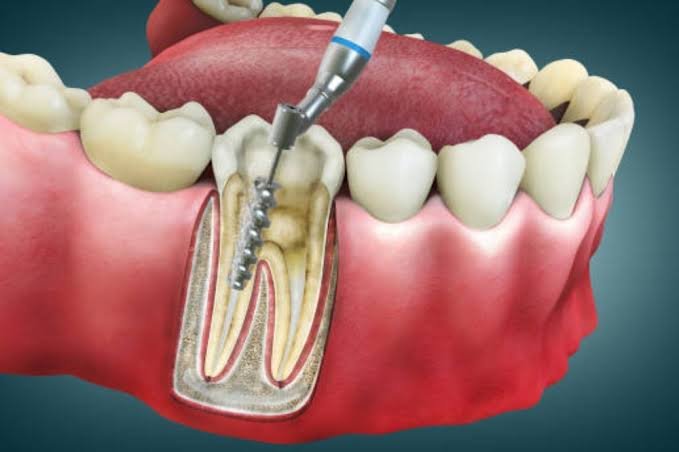
Before learning prevention methods, it is important to understand how cavities form. Our mouth contains bacteria all the time. Some bacteria are harmless, but others feed on sugar and produce acid. This acid slowly damages the enamel, which is the hard outer layer of the tooth.
When enamel becomes weak, tiny holes start forming in the teeth. If not treated early, these holes grow bigger and become painful cavities.
The main causes of cavities include:
- Eating too much sugar
- Poor brushing habits
- Dry mouth
- Drinking sugary beverages
- Not flossing
- Skipping dental checkups
Natural prevention focuses on stopping these causes before damage begins.
Brush Your Teeth Properly
Brushing is the first and most important step for healthy teeth. Many people brush quickly without cleaning all areas properly. To naturally prevent cavities, brush your teeth at least twice a day for two minutes.
Use a soft toothbrush and fluoride toothpaste if possible. Fluoride helps strengthen enamel and protects teeth from acid damage. Brush gently in circular motions and clean every side of the teeth.
Do not forget to brush:
- The back teeth
- Along the gum line
- Your tongue
Your tongue can hold bacteria that create bad breath and increase cavity risk.
Changing your toothbrush every three months is also important because old brushes become less effective.
Floss Every Day
Brushing alone cannot clean the spaces between your teeth. Food particles often get trapped there and become a perfect place for bacteria to grow.
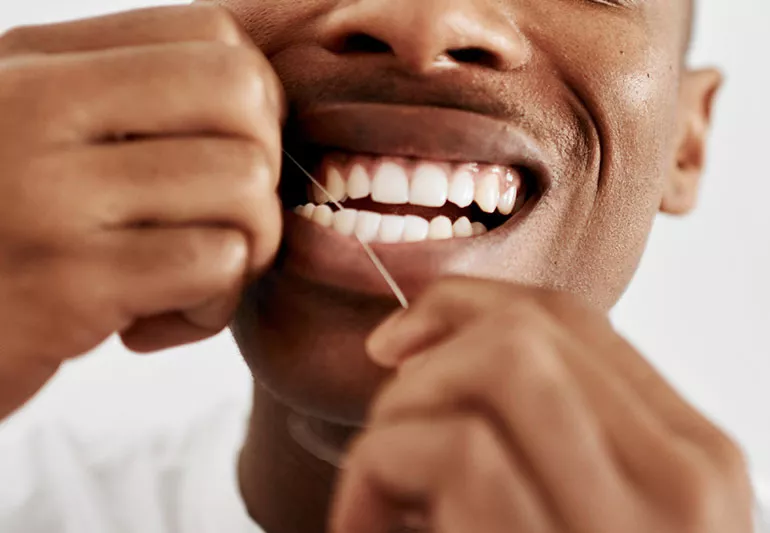
Flossing removes hidden food and plaque from hard-to-reach areas. It helps prevent cavities between teeth and keeps gums healthy.
Many people skip flossing because they think it takes too much time. However, flossing only takes a few minutes and can save you from painful dental treatments later.
If regular floss feels difficult, you can try:
- Water flossers
- Floss picks
- Soft interdental brushes
The important thing is cleaning between your teeth daily.
Reduce Sugar Intake
Sugar is one of the biggest enemies of healthy teeth. Harmful bacteria love sugar because it helps them produce acid.
Sticky foods are especially harmful because they stay on the teeth longer. Candy, chocolate, cookies, and sugary drinks increase cavity risk quickly.
To naturally prevent cavities:
- Drink more water instead of soda
- Limit sweets and desserts
- Avoid frequent snacking
- Choose healthy snacks like fruits, nuts, and cheese
You do not have to stop eating sugar completely. The key is moderation and proper cleaning afterward.
Drink Plenty of Water
Water is one of the easiest natural ways to protect your teeth. It washes away food particles and helps reduce acid in the mouth.
A dry mouth allows bacteria to grow faster. Drinking enough water keeps the mouth moist and supports saliva production.
Saliva is important because it:
- Neutralizes acids
- Cleans the mouth naturally
- Repairs weak enamel
- Prevents bacteria buildup
Try drinking water after every meal to keep your mouth fresh and clean.
Eat Tooth-Friendly Foods
Your diet plays a huge role in dental health. Some foods naturally strengthen teeth and gums.
Foods rich in calcium and phosphorus help rebuild enamel. Healthy foods also improve saliva flow and reduce harmful bacteria.
Best foods for strong teeth include:
- Milk
- Yogurt
- Cheese
- Leafy green vegetables
- Almonds
- Eggs
- Fish
Crunchy fruits and vegetables like apples and carrots are also helpful because they naturally clean the teeth while chewing.
Avoid highly processed foods whenever possible because they often contain hidden sugars.
Use Natural Remedies Carefully
Some natural remedies may support oral health when used correctly. However, they should never replace proper brushing and flossing.
Oil Pulling
Oil pulling is an old natural practice where people swish coconut oil in the mouth for 10–15 minutes. Some studies suggest it may reduce bacteria and improve oral hygiene.
Coconut oil contains antibacterial properties that may help keep the mouth cleaner.
Salt Water Rinse
A warm salt water rinse can reduce bacteria and soothe irritated gums. It is simple and inexpensive.
Mix:
- Half a teaspoon of salt
- One glass of warm water
Rinse for about 30 seconds.
Clove Oil
Clove oil has natural antibacterial and soothing properties. It is sometimes used for temporary tooth discomfort.
Always use natural remedies carefully and avoid excessive use.
Avoid Smoking and Tobacco
Smoking and tobacco products damage both teeth and gums. They increase plaque buildup, weaken the immune system, and reduce saliva production.
People who smoke often experience:
- Tooth decay
- Gum disease
- Bad breath
- Tooth discoloration
Quitting smoking improves not only dental health but also overall health.
Chew Sugar-Free Gum
Chewing sugar-free gum after meals can help reduce cavity risk. It increases saliva production, which naturally cleans the mouth.
Choose gum containing xylitol if possible. Xylitol is a natural sweetener that may help reduce harmful bacteria.
Chewing gum is especially useful when brushing is not possible after eating.
Protect Your Teeth at Night
Some people grind their teeth during sleep without realizing it. Grinding weakens enamel and increases tooth sensitivity.
Signs of teeth grinding include:
- Jaw pain
- Morning headaches
- Worn-down teeth
A dentist may recommend a night guard for protection.
Getting enough sleep and reducing stress can also help prevent grinding.
Visit the Dentist Regularly
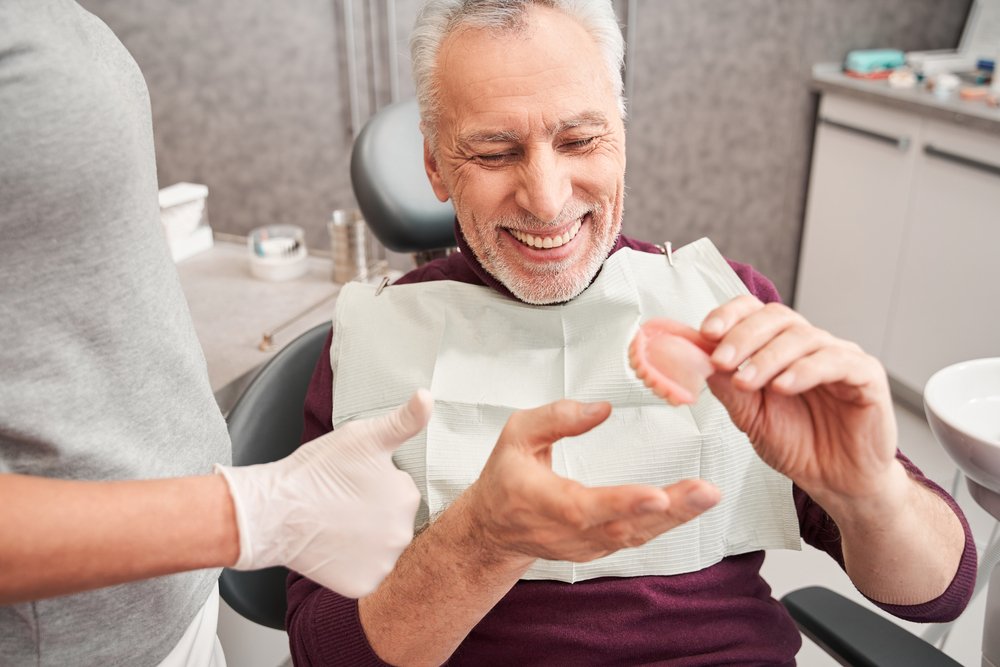
Natural care at home is important, but regular dental checkups are still necessary. Dentists can detect early signs of cavities before they become serious.
Professional cleanings remove hardened plaque that brushing cannot remove at home.
Most dentists recommend a checkup every six months.
Early treatment saves money, prevents pain, and protects your natural teeth longer.
Build Healthy Habits Early
Good dental habits should start in childhood. Teaching children proper brushing and healthy eating can protect their teeth for life.
Parents should:
- Supervise brushing
- Limit sugary snacks
- Encourage water drinking
- Schedule regular dental visits
Healthy habits become easier when practiced daily.
Final Thoughts
Preventing cavities naturally at home is possible with simple daily habits and healthy choices. Small actions like brushing properly, flossing, drinking water, and eating nutritious foods can make a huge difference.
Natural prevention is not complicated or expensive. The secret is consistency. Taking care of your teeth every day helps keep your smile healthy, strong, and beautiful for years to come.
Remember, healthy teeth are not only important for appearance but also for overall health and confidence. Start building better dental habits today, and your future self will thank you.
Frequently Asked Questions (FAQs)
1. Can cavities heal naturally at home?
Very early tooth decay may improve with proper oral care, fluoride, and healthy habits. However, deeper cavities usually require professional dental treatment.
2. What foods help prevent cavities naturally?
Foods rich in calcium and phosphorus like cheese, yogurt, milk, leafy greens, nuts, and fish help strengthen teeth and reduce cavity risk.
3. Is brushing once a day enough to prevent cavities?
No. Dentists recommend brushing at least twice daily and flossing once a day for better protection against cavities.
4. Does drinking water really help teeth?
Yes. Water washes away food particles, reduces acid, and supports saliva production, which naturally protects teeth from decay.
5. Are natural remedies better than toothpaste?
Natural remedies can support oral health, but they should not replace brushing with toothpaste and regular dental care.
About the author : ahmadrazaguruu@gmail.com