
Inflammation and joint pain are problems that affect millions of people around the world. Whether it is due to aging, arthritis, injury, or lifestyle habits, joint pain can make daily life difficult. Simple movements like walking, climbing stairs, or even holding objects can become uncomfortable.
The good news is that there are many natural and effective ways to reduce inflammation and ease joint pain quickly. In this article, we will explore easy methods that you can start using right away to feel better, move more freely, and improve your quality of life.
Understanding Inflammation and Joint Pain
Inflammation is the body’s natural defense system. When you get injured or infected, your body sends white blood cells to protect and heal the area. This causes redness, swelling, and sometimes pain. In short-term cases, inflammation is helpful.
However, when inflammation becomes long-term (chronic inflammation), it can damage tissues, especially in the joints. This is when conditions like arthritis, stiffness, and constant pain appear.
Joint pain can happen in knees, hands, shoulders, hips, or spine. It may feel like stiffness, burning, swelling, or sharp pain during movement.
1. Eat Anti-Inflammatory Foods
One of the fastest and most natural ways to reduce inflammation is by improving your diet. Some foods increase inflammation, while others reduce it.
Best anti-inflammatory foods include:
- Leafy greens like spinach and kale
- Fruits like berries, oranges, and cherries
- Fatty fish such as salmon and sardines
- Nuts like almonds and walnuts
- Olive oil
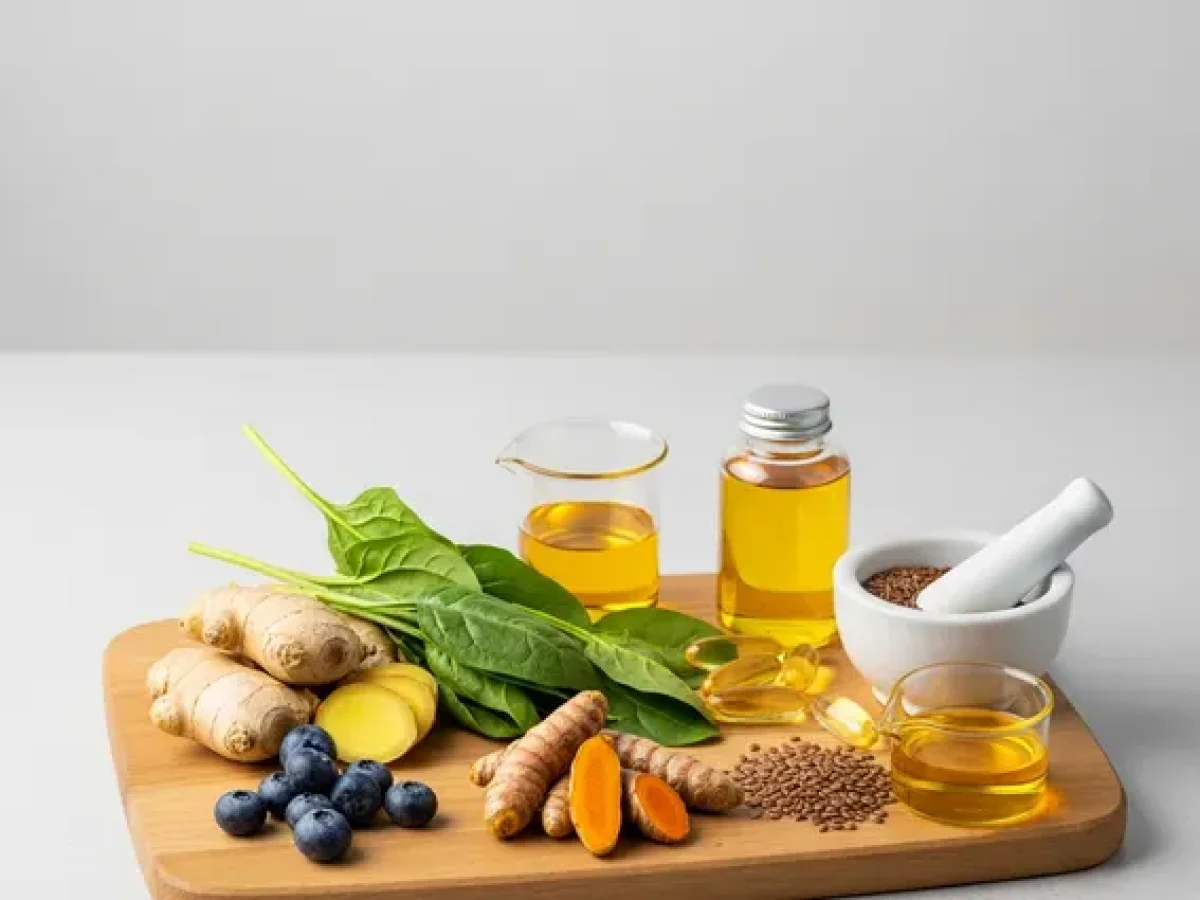
- Turmeric and ginger
- Green tea
These foods contain antioxidants and healthy fats that help reduce swelling in the joints.
Foods to avoid:
- Fried foods
- Sugary drinks
- Processed snacks
- White bread and refined carbs
- Excess red meat
Eating clean, simple, natural food can reduce joint pain within days for some people.
2. Stay Hydrated Every Day
Water is often ignored, but it plays a very important role in joint health. Your joints contain cartilage, which needs water to stay soft and flexible.
When you are dehydrated, your joints can feel stiff and painful.
Try to drink:
- 8 to 10 glasses of water daily
- Herbal teas
- Coconut water
Proper hydration helps flush out toxins and reduce inflammation naturally.
3. Apply Hot and Cold Therapy
This is one of the fastest ways to get relief from joint pain.
Cold therapy:
Cold packs reduce swelling and numb sharp pain. It is best for fresh injuries or swollen joints.
Hot therapy:
Heat relaxes muscles and improves blood flow. It is useful for stiffness and long-term pain.
How to use:
- Apply ice for 10–15 minutes
- Then apply heat for 15–20 minutes
- Repeat as needed
This simple method can provide quick comfort.
4. Move Your Body Gently
When you are in pain, you may feel like resting all the time. But too much rest can actually make joints stiffer.
Gentle movement helps lubricate the joints and reduce pain.
Easy exercises include:
- Walking
- Stretching
- Yoga
- Swimming
- Cycling
Even 15–30 minutes of light activity daily can make a big difference. The key is consistency, not intensity.
5. Maintain a Healthy Weight
Extra body weight puts pressure on joints, especially knees, hips, and ankles. This increases pain and inflammation over time.
Losing even a small amount of weight can significantly reduce joint stress.
Simple ways to manage weight:
- Eat smaller portions
- Avoid sugary foods
- Walk daily
- Drink more water
- Sleep well
Less pressure on joints means less pain.
6. Use Natural Anti-Inflammatory Remedies
Nature offers powerful healing ingredients that can help reduce inflammation.
Some effective options:
- Turmeric: Contains curcumin, a strong anti-inflammatory compound
- Ginger: Helps reduce pain and swelling
- Garlic: Supports immune health and reduces inflammation
- Omega-3 supplements: Help improve joint flexibility
You can add these to food or take them as supplements (after consulting a doctor if needed).
7. Improve Your Sleep Quality
Poor sleep increases inflammation in the body. When you don’t rest well, your body cannot repair damaged tissues properly.
Tips for better sleep:
- Sleep 7–8 hours daily
- Avoid screens before bed
- Keep your room dark and quiet
- Maintain a regular sleep schedule
Good sleep helps reduce pain naturally and improves healing.
8. Reduce Stress Levels
Stress is a hidden cause of inflammation. When you are stressed, your body releases hormones that can increase pain and swelling.
Simple stress management techniques:
- Deep breathing exercises
- Meditation
- Listening to calm music
- Spending time in nature
- Talking to friends or family
A calm mind helps create a healthier body.
9. Try Massage Therapy
Massage improves blood flow and reduces stiffness in joints and muscles. It can also help relax tight tissues around painful areas.
You can use:
- Warm oil massage (like olive or mustard oil)
- Professional therapy
- Self-massage at home
Even 10–15 minutes of gentle massage can bring relief.
10. Avoid Sitting Too Long
Long sitting hours can increase stiffness and joint pain, especially in the lower back and knees.
What you can do:
- Stand up every 30–60 minutes
- Stretch your body
- Walk around a little
Small movements throughout the day keep joints active and healthy.
Final Thoughts
Reducing inflammation and joint pain does not always require strong medicines or complicated treatments. In many cases, simple lifestyle changes can bring fast and lasting relief.
By eating healthy foods, staying active, drinking enough water, and managing stress, you can significantly improve your joint health. The key is consistency and patience. Even small changes can lead to big improvements over time.
Your body has a natural ability to heal itself—you just need to support it with the right habits.
Frequently Asked Questions (FAQs)
1. How fast can inflammation and joint pain improve?
It depends on the cause and lifestyle. Some people notice improvement within a few days of eating better and staying active, while chronic conditions may take weeks or months.
2. Is walking good for joint pain?
Yes, walking is one of the best low-impact exercises. It helps keep joints flexible and reduces stiffness without putting too much pressure on them.
3. Can diet really reduce inflammation?
Yes, diet plays a major role. Anti-inflammatory foods like fruits, vegetables, and omega-3-rich fish can significantly reduce swelling and pain.
4. When should I see a doctor for joint pain?
If your pain lasts more than a few weeks, becomes severe, or affects your daily activities, you should consult a doctor for proper diagnosis and treatment.
5. Are natural remedies enough to treat joint pain?
Natural remedies can help reduce mild to moderate pain, but severe conditions may require medical treatment. A combination of both is often the best approach.
About the author : ahmadrazaguruu@gmail.com