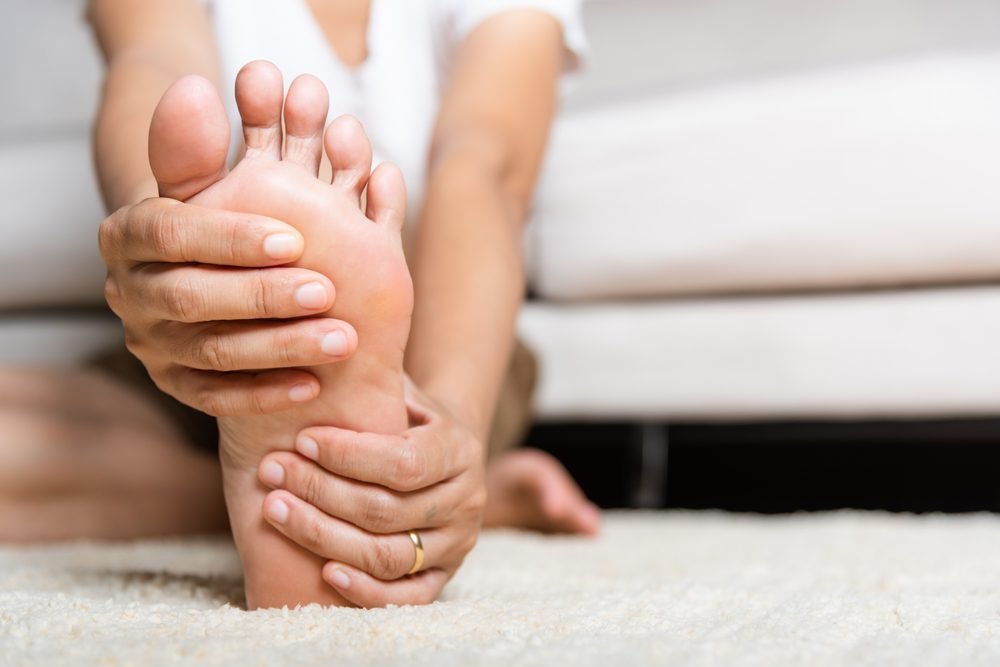
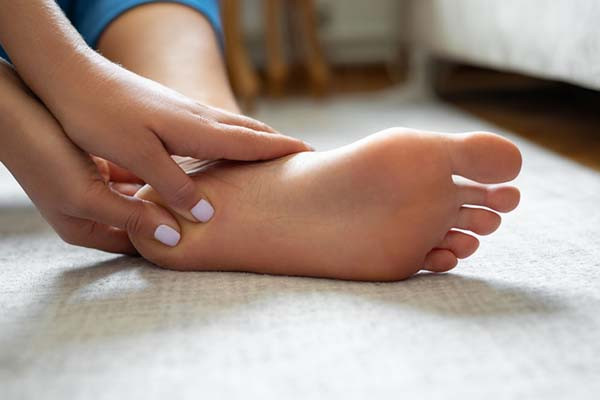
Plantar fasciitis is one of the most common causes of heel pain, especially in adults who spend a lot of time standing, walking, or running. If you have ever felt a sharp, stabbing pain in your heel when you take your first steps in the morning, you may already know how uncomfortable this condition can be.
The good news is that plantar fasciitis is treatable, and most people recover with simple care and consistent habits. In this article, we will explain the best treatment for plantar fasciitis pain relief in an easy and human way so you can understand what really works and how to start feeling better.
What Is Plantar Fasciitis?
Plantar fasciitis happens when the plantar fascia, a thick band of tissue on the bottom of your foot, becomes inflamed or irritated. This tissue connects your heel bone to your toes and supports your foot arch.
When too much pressure is placed on it—due to standing for long hours, wearing poor shoes, running, or being overweight—it can develop tiny tears. These small injuries cause pain and stiffness, especially near the heel.
Common Symptoms You Should Know
Before talking about treatment, it helps to recognize the symptoms:
- Sharp heel pain in the morning
- Pain after standing for a long time
- Discomfort after exercise (not during)
- Tightness in the bottom of the foot
- Pain that improves with movement but returns later
If these symptoms sound familiar, you are likely dealing with plantar fasciitis.
Best Treatment for Plantar Fasciitis Pain Relief
There is no single magic cure. The best treatment usually combines several simple methods. Let’s go step by step.
1. Rest and Reduce Pressure
One of the first and most important treatments is rest. Your foot needs time to heal.
Avoid activities that cause pain, such as:
- Long-distance running
- Standing for many hours
- Jumping or heavy workouts
This does not mean complete inactivity. You can still do low-impact activities like swimming or cycling, which do not put pressure on your heel.
Rest helps reduce inflammation and prevents further damage.
2. Ice Therapy for Quick Relief
Ice is a simple but powerful way to reduce pain and swelling.
You can use it like this:
- Roll your foot over a frozen water bottle
- Apply an ice pack for 10–15 minutes
- Repeat 2–3 times daily
Ice works best after walking or at the end of the day when pain is worse.
3. Stretching Exercises (Very Important)
Stretching is one of the most effective long-term treatments for plantar fasciitis. It helps loosen tight muscles and reduce stress on the heel.
Here are simple stretches:
Calf Stretch
- Stand facing a wall
- Place one foot behind the other
- Keep the back heel on the ground
- Lean forward for 20–30 seconds
Foot Stretch
- Sit down
- Pull your toes gently toward your body
- Hold for 15–20 seconds
Rolling Stretch
- Roll your foot on a tennis ball or massage ball
- Do this for 5–10 minutes daily
These exercises improve flexibility and reduce pain over time.
4. Wear Proper Footwear
Bad shoes are one of the biggest causes of plantar fasciitis.
Avoid:
- Flat slippers
- High heels
- Worn-out shoes
Instead, choose:
- Shoes with good arch support
- Cushioned soles
- Proper heel support
Sometimes, switching shoes alone can reduce pain significantly.
5. Use Orthotic Insoles
Orthotic insoles are soft inserts placed inside your shoes. They support your foot arch and reduce pressure on the heel.
They help by:
- Distributing body weight evenly
- Reducing strain on the plantar fascia
- Improving walking comfort
You can buy ready-made insoles or get custom ones from a specialist.
6. Pain Relief Medications
Over-the-counter pain medicines can help reduce inflammation and discomfort.
Common options include:
- Ibuprofen
- Naproxen
- Paracetamol
These should only be used for short-term relief. They do not fix the root cause but can help you manage pain while other treatments work.
7. Night Splints for Morning Pain
Many people feel the worst pain in the morning. A night splint keeps your foot stretched while you sleep.
This helps:
- Prevent tightening overnight
- Reduce morning pain
- Improve flexibility
It may feel uncomfortable at first, but it is very effective for recovery.
8. Physical Therapy
If pain continues, a physiotherapist can guide you through advanced treatments such as:
- Deep stretching techniques
- Ultrasound therapy
- Massage therapy
- Strengthening exercises
Physical therapy is especially helpful for chronic cases that last more than a few months.
9. Weight Management
Extra body weight increases pressure on your feet. Even a small reduction in weight can help reduce heel pain.
Healthy habits like:
- Balanced diet
- Regular walking (pain-free level)
- Hydration
can make a big difference in recovery.
10. Medical Treatments (For Severe Cases)
If home treatments do not work, doctors may suggest:
- Steroid injections to reduce inflammation
- Shockwave therapy to stimulate healing
- Rarely, surgery for long-term severe cases
Most people do not need surgery, as plantar fasciitis usually improves with basic care.
How Long Does Recovery Take?
Recovery time varies from person to person. Some people feel better in a few weeks, while others may take several months.
The key is consistency. Doing stretching, wearing proper shoes, and avoiding strain daily gives the best results.
Tips for Faster Pain Relief
- Do not walk barefoot on hard floors
- Replace old shoes regularly
- Stretch before getting out of bed
- Avoid sudden increase in exercise
- Use ice after activity
Small habits can speed up healing more than you think.
Final Thoughts
Plantar fasciitis can be painful and frustrating, but it is highly treatable. The best treatment for plantar fasciitis pain relief is a combination of rest, stretching, proper footwear, and supportive care.
There is no quick shortcut, but with patience and daily effort, most people recover fully and return to normal life without pain.
If your symptoms continue for a long time, it is always a good idea to consult a healthcare professional for proper guidance.
FAQs
1. What is the fastest way to relieve plantar fasciitis pain?
The fastest relief usually comes from icing the heel, resting the foot, and doing gentle stretching exercises. Wearing supportive shoes also helps immediately reduce pressure.
2. Can plantar fasciitis go away on its own?
Yes, in many cases it improves on its own, but it can take a long time. Treatment like stretching and proper footwear speeds up recovery.
3. Is walking good or bad for plantar fasciitis?
Light walking is fine, but long walks or standing for hours can make it worse. Always listen to your pain level.
4. What shoes are best for plantar fasciitis?
Shoes with strong arch support, cushioning, and a stable heel are best. Avoid flat shoes and high heels.
5. When should I see a doctor for heel pain?
If pain lasts more than a few weeks, becomes severe, or affects daily movement, you should see a doctor for proper diagnosis and treatment.
About the author : ahmadrazaguruu@gmail.com