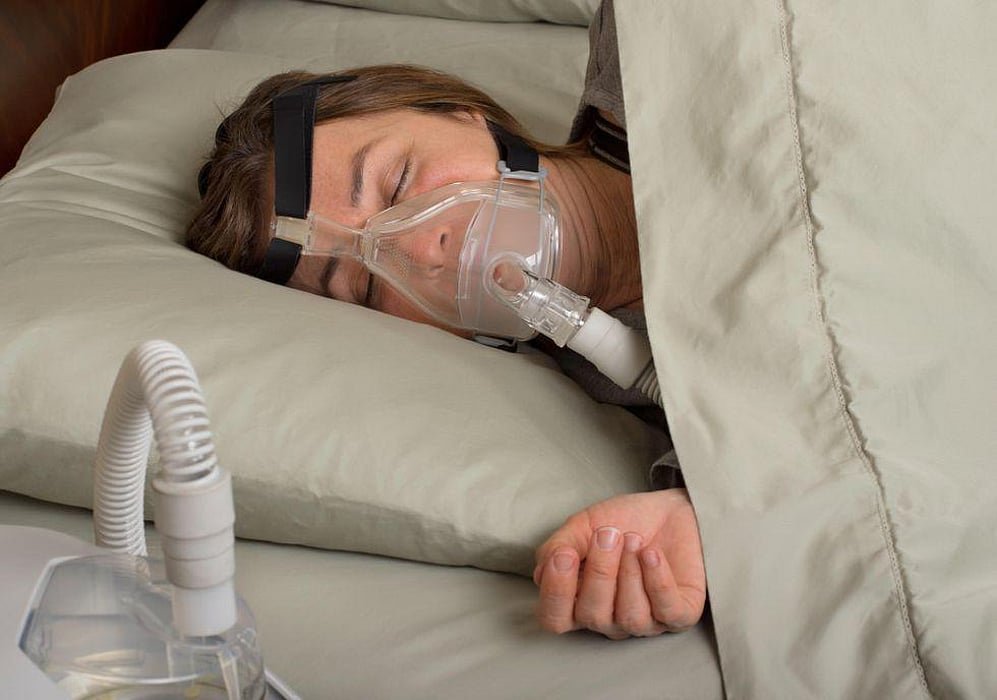

Sleep is one of the most important parts of human health, but many people today struggle with it. Stress, screens, irregular routines, and lifestyle habits often disturb sleep quality. The good news is that you don’t always need medicine or complex treatments to fix it. There are simple, natural ways to improve sleep quality fast—sometimes within just a few days.
In this article, we will explore practical, science-backed, and easy methods to help you sleep better naturally. Everything is explained in simple language so anyone can follow it.
Why Sleep Quality Matters So Much
Sleep is not just about closing your eyes for hours. Good sleep means your body and brain go through proper cycles of rest and recovery. When sleep quality is poor, you may still feel tired even after 7–8 hours of sleep.
Poor sleep can cause:
- Low energy during the day
- Difficulty focusing
- Mood swings and irritability
- Weak immune system
- Weight gain and slow metabolism
On the other hand, good sleep improves memory, emotional balance, skin health, and overall performance in daily life.
1. Fix Your Sleep Schedule First
One of the fastest ways to improve sleep quality naturally is to set a fixed sleep and wake time. Your body has an internal clock called the circadian rhythm. When you sleep and wake at different times every day, this rhythm becomes confused.
Try this simple rule:
- Go to bed at the same time every night
- Wake up at the same time every morning
- Even on weekends
At first, it may feel difficult, but within a few days, your body starts adjusting. You will notice you fall asleep faster and wake up more refreshed.
2. Reduce Screen Time Before Bed
Phones, TVs, and laptops produce blue light. This light tricks your brain into thinking it is still daytime. As a result, your body reduces melatonin production—the hormone that helps you sleep.
To improve sleep quality naturally:
- Avoid screens at least 1 hour before bed
- If you must use your phone, enable night mode
- Replace screen time with reading or light music
This small change alone can improve sleep quality fast.
3. Create a Calm Sleep Environment
Your bedroom plays a huge role in sleep quality. A noisy, bright, or messy room can disturb your rest without you realizing it.
Make your sleep environment better by:
- Keeping the room dark (use curtains or eye masks)
- Reducing noise (use earplugs or white noise)
- Keeping room temperature cool and comfortable
- Using a clean and comfortable mattress and pillow
Your brain connects environment with sleep. A calm room signals your mind that it is time to rest.
4. Avoid Caffeine and Heavy Meals at Night
Caffeine is found in coffee, tea, energy drinks, and even chocolate. It stays in your system for hours and can make it hard to fall asleep.
To sleep better naturally:
- Avoid caffeine after 3 PM
- Eat light dinners
- Do not eat heavy, spicy, or oily food before bed
Heavy meals force your digestive system to stay active when your body should be resting. A light dinner helps your body relax faster.
5. Try Relaxation Techniques Before Sleeping
Stress and overthinking are major causes of poor sleep. When your mind is active, your body cannot relax.
Simple relaxation methods include:
Deep Breathing
Take slow breaths in and out. Focus only on your breathing for a few minutes.
Meditation
Sit quietly and try to clear your thoughts or focus on a peaceful image.
Progressive Muscle Relaxation
Tighten and relax each muscle group in your body step by step.
These techniques calm your nervous system and help you fall asleep faster.
6. Get Sunlight During the Day
Natural sunlight helps regulate your sleep cycle. When your body gets sunlight in the morning, it understands when to stay awake and when to sleep later.
Try to:
- Spend 10–20 minutes in morning sunlight
- Open curtains as soon as you wake up
- Go for a short walk during the day
This helps your brain produce melatonin at the right time at night.
7. Exercise Regularly (But Not Too Late)
Exercise improves sleep quality by reducing stress and improving body tiredness in a healthy way.
Best practices:
- Exercise at least 20–30 minutes daily
- Morning or evening workouts are best
- Avoid intense exercise right before bed
Even simple activities like walking can significantly improve sleep quality.
8. Limit Naps During the Day
Short naps can be helpful, but long or late naps may disturb nighttime sleep.
To keep sleep balanced:
- Keep naps under 30 minutes
- Avoid naps after 4 PM
This ensures your body feels naturally tired at night.
9. Use Natural Sleep Helpers
Some natural drinks and herbs can help improve sleep quality:
- Warm milk
- Chamomile tea
- Herbal teas like lavender or peppermint
These do not force sleep but gently relax your body and mind.
10. Train Your Mind for Better Sleep
Sometimes the biggest barrier to sleep is overthinking. You lie in bed and start worrying about the past or future.
Try this:
- Write your thoughts in a journal before bed
- Make a simple to-do list for tomorrow
- Tell yourself “I will think about this tomorrow”
This helps clear mental clutter and improves sleep quality naturally.
Final Thoughts
Improving sleep quality naturally and fast is possible if you make small but consistent changes in your lifestyle. You don’t need expensive tools or complicated routines. Simple habits like fixing your sleep schedule, reducing screen time, eating light at night, and relaxing your mind can make a big difference in just a few days.
The key is consistency. Pick a few methods from above and stick to them. Your body will slowly adjust, and you will notice deeper, calmer, and more refreshing sleep.
FAQs
1. How long does it take to improve sleep quality naturally?
Most people start noticing improvements within 3 to 7 days if they follow good sleep habits consistently.
2. Can I improve sleep without medicine?
Yes, in many cases lifestyle changes like better sleep routine, reduced screen time, and relaxation techniques are enough.
3. Is it okay to use my phone before bed?
It is better to avoid it. If necessary, use night mode and reduce brightness, but ideally stop using screens 1 hour before sleep.
4. What is the best natural drink for sleep?
Warm milk and herbal teas like chamomile are commonly used to relax the body and support better sleep.
5. Why do I still feel tired after 8 hours of sleep?
This usually happens due to poor sleep quality, frequent waking during the night, or an irregular sleep schedule.
About the author : ahmadrazaguruu@gmail.com