Vein surgeons diagnose and treat conditions that affect your veins, and they often focus on issues like varicose veins or spider veins. A vein surgeon uses imaging and clinical exams to plan care. When you meet one, asking the right questions helps you understand your options. Here are some questions you can ask to get clear, useful answers:
Is There On-site Lab Testing?
On-site lab testing means your samples get processed in the same building, and you avoid extra trips elsewhere. When a clinic runs its own lab, your vein surgeon reviews your data faster. Ask how the clinic handles bloodwork and other tests before your treatment.
Some offices send samples to outside labs, and turnaround times vary between locations. A quick answer here tells you how the practice manages logistics. Clear scheduling helps you plan around work and family. If you want fewer appointments, ask about the timeline.
What Are My Treatment Options?
Vein surgeons offer several approaches, and each one targets a different type of condition. Before recommending anything, your surgeon reviews your imaging. Ask which options fit your specific diagnosis so you understand the reasoning behind each choice.
Treatment plans depend on the size, location, and severity of the affected veins. When you ask about alternatives, you get a fuller picture of your care. Approaches you might discuss include:
- Sclerotherapy for smaller veins
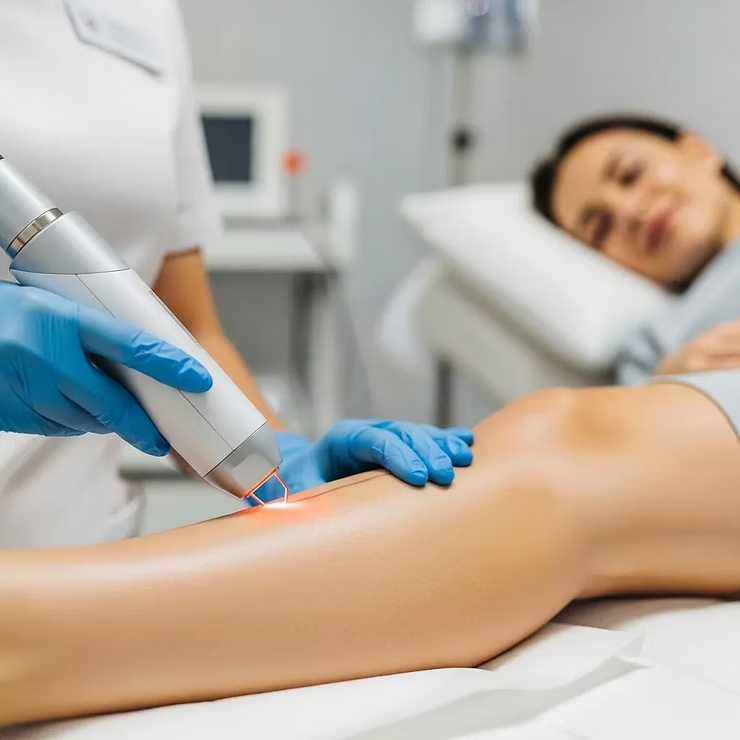
- Ablation techniques using heat or laser
- Compression therapy as a supportive measure
Do You Offer Advanced Ultrasound?
Advanced ultrasound maps blood flow, and it shows how your veins function in real time. This imaging guides many vein procedures. When a surgeon uses detailed ultrasound, they locate problem areas with precision. Ask whether the clinic performs duplex ultrasound during evaluations.
Duplex ultrasound combines two scanning methods, and it captures both structure and movement. A surgeon relies on these images to plan treatment. Ask how often the clinic updates its equipment, because technology changes over time. Knowing this detail helps you gauge the practice’s capabilities.
Ultrasound results also affect how your surgeon monitors progress. Follow-up scans track changes after treatment, and they show whether veins respond. If you want ongoing monitoring, ask about the schedule for repeat imaging. A clear plan keeps you informed at each step.
Are There Minimally Invasive Options?
Minimally invasive procedures use small incisions, and they typically require local anesthesia instead of general. Many vein treatments now fall into this category. When you ask about these methods, you learn what recovery might involve. Ask the surgeon which minimally invasive techniques they perform regularly.
Recovery times differ based on the procedure and your overall health. Some patients return to routine activities within a day or two. Questions worth asking about these procedures include:
- How long does each procedure take?
- What does aftercare involve?
- When may I resume normal activity?
- Are there any activity restrictions?
Schedule a Vein Surgeon Visit
Finding the right vein surgeon starts with asking clear, direct questions, and each answer gives you useful information. Take the next step and book a consultation with a vein surgeon in your area; bring your list of questions, and note any symptoms you have noticed. During your visit, ask about testing, imaging, and procedure options. Call a local vein clinic today to schedule your evaluation.
About the author : ahmadrazaguruu@gmail.com