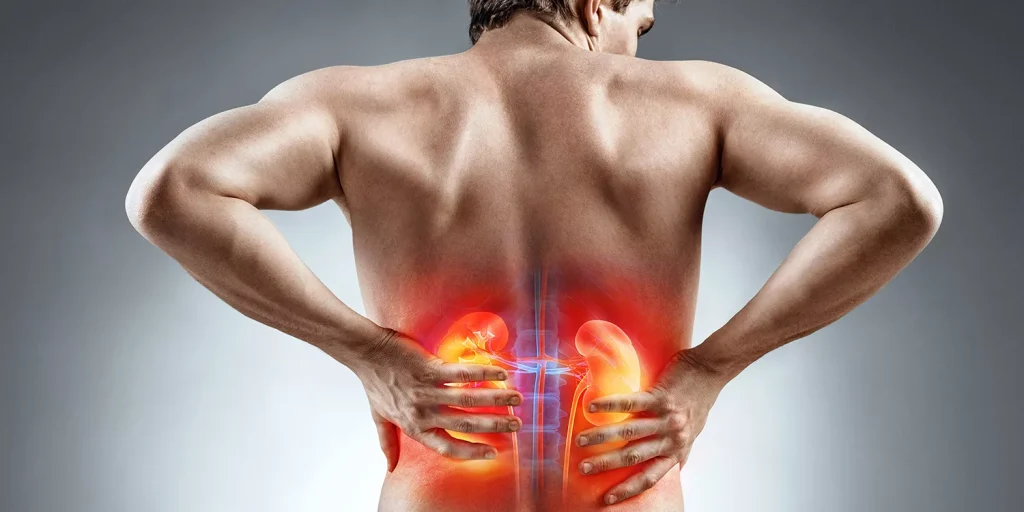
Urinary tract infections, also called UTIs, are one of the most common health problems affecting people of all ages. Women are more likely to get UTIs, but men and children can also suffer from them. A UTI happens when bacteria enter the urinary system and cause infection. The infection can affect the bladder, kidneys, urethra, or ureters.
Many people ignore the early signs of a urinary tract infection, thinking it will go away on its own. However, without proper treatment, the infection can become more serious and painful. The good news is that UTIs are usually easy to treat when diagnosed early.
In this article, we will explain the best treatment options for urinary tract infection in simple and easy words. We will also discuss symptoms, causes, prevention tips, and answer common questions people often ask.
What Is a Urinary Tract Infection?
A urinary tract infection is an infection in any part of the urinary system. The urinary system includes:
- Kidneys
- Bladder
- Ureters
- Urethra
Most infections happen in the bladder and urethra. UTIs are mainly caused by bacteria, especially a bacteria called E. coli. This bacteria normally lives in the intestines but can enter the urinary tract and create infection.
Common Symptoms of UTI
The symptoms of a urinary tract infection can vary from person to person. Some common signs include:
- Burning feeling while urinating
- Frequent urge to urinate
- Cloudy or strong-smelling urine
- Pain in the lower abdomen
- Feeling tired or weak
- Blood in the urine
- Fever or chills in serious cases
If the infection reaches the kidneys, symptoms may become more severe, including back pain, nausea, and high fever.
Best Treatment Options for Urinary Tract Infection
There are several effective ways to treat UTIs. The right treatment depends on the severity of the infection and the patient’s overall health.
1. Antibiotics
Antibiotics are the most common and effective treatment for urinary tract infections. Doctors usually prescribe antibiotics after checking symptoms or performing a urine test.
Some commonly used antibiotics include:
- Nitrofurantoin
- Trimethoprim-sulfamethoxazole
- Fosfomycin
- Amoxicillin
- Ciprofloxacin
Most mild UTIs improve within a few days after starting antibiotics. However, it is very important to complete the full course of medicine, even if you feel better early. Stopping treatment too soon may allow the infection to return.
Doctors choose antibiotics based on the type of bacteria causing the infection. In severe cases, stronger antibiotics or hospital treatment may be needed.
2. Drinking Plenty of Water
Water is one of the simplest and most natural ways to support UTI treatment. Drinking more water helps flush bacteria out of the urinary system.
People with UTIs should try to drink several glasses of water throughout the day. Staying hydrated can reduce irritation and improve recovery.
Avoid sugary drinks and alcohol during infection because they may worsen symptoms.
3. Pain Relief Medicines
UTIs can cause pain and burning during urination. Doctors may recommend pain relievers to reduce discomfort.
Some common options include:
- Ibuprofen
- Acetaminophen
- Urinary pain relief tablets
These medicines do not cure the infection, but they help patients feel more comfortable while antibiotics work.
4. Cranberry Products
Cranberry juice and cranberry supplements are popular home remedies for UTIs. Some studies suggest that cranberries may help prevent bacteria from sticking to the walls of the urinary tract.
While cranberry products may not completely cure an active infection, they can support urinary health and may help prevent future infections in some people.
Choose cranberry products with low sugar content for better health benefits.
5. Probiotics
Probiotics are healthy bacteria that support the body’s natural balance. They may help reduce harmful bacteria in the urinary tract and improve overall health.
Foods rich in probiotics include:
- Yogurt
- Kefir
- Fermented foods
Some people also take probiotic supplements after antibiotic treatment to restore healthy bacteria in the body.
6. Avoiding Irritating Products
Certain products can irritate the urinary tract and make symptoms worse. During a UTI, it is best to avoid:
- Strong soaps
- Scented sprays
- Harsh feminine hygiene products
- Bubble baths
Using gentle and fragrance-free products can reduce irritation and help the body heal faster.
7. Heating Pads
A heating pad placed on the lower abdomen may help reduce pain and pressure caused by a urinary tract infection.
Heat can relax muscles and provide temporary comfort. However, heating pads should not replace medical treatment.
8. Hospital Treatment for Severe Infections
Some urinary tract infections become serious, especially when the kidneys are affected. Severe cases may require:
- Intravenous antibiotics
- Hospital stay
- Additional medical tests
People with high fever, vomiting, severe pain, or kidney problems should seek immediate medical care.
Natural Tips to Support Recovery
Along with medical treatment, some healthy habits can help speed recovery.
Urinate Frequently
Do not hold urine for long periods. Emptying the bladder regularly helps remove bacteria from the body.
Wear Loose Cotton Clothing
Tight clothing can trap moisture and encourage bacterial growth. Cotton underwear allows better airflow and keeps the area dry.
Maintain Good Hygiene
Proper hygiene is important for preventing and managing UTIs. Women should wipe from front to back after using the toilet to avoid spreading bacteria.
Avoid Too Much Caffeine
Coffee, tea, and energy drinks may irritate the bladder. Reducing caffeine intake may help decrease discomfort.
How to Prevent Future UTIs
Preventing UTIs is often easier than treating repeated infections. Here are some useful prevention tips:
- Drink enough water daily
- Urinate after sexual activity
- Avoid holding urine for long periods
- Maintain proper hygiene
- Avoid excessive use of irritating hygiene products
- Eat a healthy diet
- Wear breathable clothing
People who suffer from frequent UTIs should speak with a doctor for long-term prevention strategies.
When to See a Doctor
Many mild UTIs improve quickly with treatment, but some symptoms should never be ignored.
See a doctor if you experience:
- Fever
- Severe pain
- Blood in urine
- Vomiting
- Symptoms lasting more than two days
- Frequent repeated infections
Early treatment can prevent serious complications and protect kidney health.
Final Thoughts
Urinary tract infections are common but treatable. The best treatment options for urinary tract infection usually include antibiotics, drinking plenty of water, pain relief, and healthy lifestyle habits. Early diagnosis and proper care can help people recover quickly and avoid complications.
Natural remedies such as cranberry products, probiotics, and hydration may also support recovery and help prevent future infections. However, serious infections always require professional medical attention.
By understanding the symptoms and treatment options, people can take better care of their urinary health and reduce the risk of future UTIs.
Frequently Asked Questions (FAQs)
1. What is the fastest way to treat a urinary tract infection?
The fastest way to treat a UTI is by taking doctor-prescribed antibiotics and drinking plenty of water. Most mild infections improve within a few days.
2. Can a urinary tract infection go away without antibiotics?
Some mild UTIs may improve naturally, but most infections require antibiotics to fully clear the bacteria and prevent complications.
3. Is cranberry juice effective for UTIs?
Cranberry juice may help prevent bacteria from sticking to the urinary tract, but it should not replace medical treatment for active infections.
4. How long does a urinary tract infection last?
With proper treatment, most UTIs improve within 3 to 7 days. Severe infections may take longer to heal.
5. Can men get urinary tract infections?
Yes, men can also get UTIs, although they are more common in women. Men with urinary symptoms should consult a doctor for proper evaluation.
About the author : ahmadrazaguruu@gmail.com