Kidney stones are a common health problem that can affect both men and women. These small, hard deposits form inside the kidneys when minerals and salts build up in the urine. Some kidney stones are as tiny as a grain of sand, while others can grow much larger. Even small stones can cause severe pain when they move through the urinary tract.
Many people do not notice kidney stones at first because symptoms often appear only when the stone starts moving. Understanding the symptoms early can help prevent complications and allow faster treatment. Although men are more likely to develop kidney stones, women can experience them as well, and the symptoms may feel slightly different.
In this article, we will explain the common symptoms of kidney stones in men and women in simple language, along with causes, warning signs, and when to seek medical help.
What Are Kidney Stones?
Kidney stones are hard crystals made from minerals and waste products found in urine. Normally, urine contains chemicals that stop stones from forming. However, when the body becomes dehydrated or certain minerals increase, stones can develop.
There are different types of kidney stones, including:
- Calcium stones
- Uric acid stones
- Struvite stones
- Cystine stones
The most common type is the calcium stone.
Common Symptoms of Kidney Stones
Kidney stone symptoms usually begin when the stone moves from the kidney into the ureter, the tube connecting the kidney to the bladder. The pain can become very intense and may come and go in waves.
Below are the most common symptoms experienced by both men and women.
Severe Pain in the Back or Side
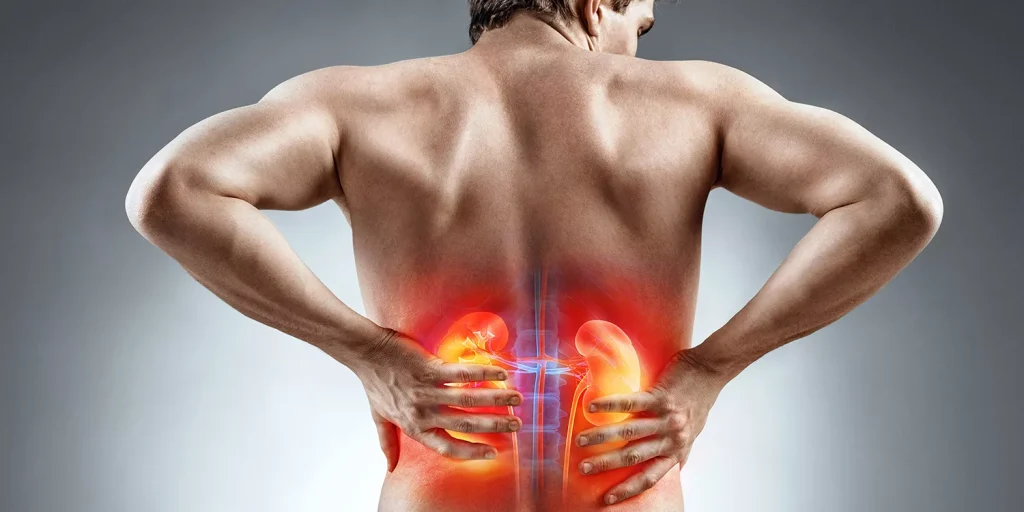
One of the first and most noticeable symptoms is sharp pain in the lower back or side of the body. The pain usually starts suddenly and can become unbearable.
The pain may:
- Begin below the ribs
- Spread toward the lower abdomen
- Move to the groin area
- Come in waves and change intensity
Many people describe kidney stone pain as one of the worst pains they have ever experienced.
Pain During Urination
When the stone reaches the lower urinary tract, it may cause pain or a burning sensation during urination. This symptom is often confused with a urinary tract infection (UTI).
People may feel:
- Burning while urinating
- Sharp discomfort
- Pain that comes suddenly
If the pain continues for several days, medical attention is important.
Frequent Urge to Urinate
Kidney stones can irritate the bladder and create the feeling of needing to urinate more often. Even after using the bathroom, a person may still feel the urge to go again.
This symptom may include:
- Frequent bathroom visits
- Passing small amounts of urine
- Feeling pressure in the bladder area
Blood in the Urine
Blood in the urine is another common sign of kidney stones. The stone can scratch the lining of the urinary tract, causing bleeding.
The urine may appear:
- Pink
- Red
- Brown
- Cloudy
Sometimes, blood is not visible to the eye and is only found during medical tests.
Nausea and Vomiting
Kidney stones can affect the digestive system because the kidneys and stomach share nerve connections. Severe pain from stones may trigger nausea and vomiting.
This symptom is more common when:
- The stone is large
- Pain becomes intense
- The urinary tract is blocked
Vomiting can also increase dehydration, making the condition worse.
Fever and Chills
Fever and chills are not normal symptoms of simple kidney stones. These signs may indicate an infection in the urinary tract, which can become serious if untreated.
Seek immediate medical help if kidney stone symptoms occur with:
- High fever
- Shivering
- Sweating
- Weakness
An infected kidney stone can become a medical emergency.
Symptoms of Kidney Stones in Men
Men often experience kidney stone pain in the lower abdomen and groin area. The discomfort may spread toward the testicles as the stone moves through the urinary tract.
Common symptoms in men include:
- Severe side or back pain
- Pain near the testicles
- Burning urination
- Blood in urine
- Nausea
Men between the ages of 30 and 50 are more likely to develop kidney stones due to diet, dehydration, and lifestyle habits.
Symptoms of Kidney Stones in Women
Women may experience symptoms similar to men, but kidney stones in women are sometimes mistaken for urinary infections or menstrual pain.
Common symptoms in women include:
- Lower abdominal pain
- Pelvic discomfort
- Pain while urinating
- Frequent urination
- Blood in urine
Some women may also feel pain near the bladder or pelvic area, which can create confusion with other health conditions.
What Causes Kidney Stones?
Several factors can increase the risk of kidney stones in both men and women.
Dehydration
Not drinking enough water is one of the biggest causes. Concentrated urine allows minerals to stick together and form stones.
Poor Diet
Eating too much salt, sugar, or processed food may increase stone formation.
Family History
People with family members who have kidney stones may also develop them.
Obesity
Being overweight can change chemical levels in urine and increase stone risk.
Medical Conditions
Certain diseases, such as diabetes or urinary tract infections, may contribute to kidney stones.
When Should You See a Doctor?
Some small kidney stones pass naturally without treatment. However, medical help is necessary if symptoms become severe.
Visit a doctor immediately if you experience:
- Extreme pain
- Blood in urine
- Fever or chills
- Vomiting
- Difficulty urinating
Doctors may perform urine tests, blood tests, or imaging scans to confirm the diagnosis.
How Are Kidney Stones Treated?
Treatment depends on the size and type of stone.
Drinking More Water
Small stones often pass naturally by drinking plenty of fluids.
Pain Medication
Doctors may prescribe medicines to reduce pain and relax the urinary tract.
Medical Procedures
Large stones may require:
- Shock wave therapy
- Laser treatment
- Surgery
Early treatment can prevent kidney damage and infections.
Tips to Prevent Kidney Stones
Preventing kidney stones is often possible with healthy lifestyle habits.
Drink Enough Water
Aim for 8–10 glasses of water daily.
Reduce Salt Intake
Too much sodium increases calcium levels in urine.
Eat Healthy Foods
Fruits, vegetables, and balanced meals support kidney health.
Limit Sugary Drinks
Soft drinks and energy drinks may increase stone risk.
Stay Active
Regular exercise helps maintain a healthy body weight.
Final Thoughts
Kidney stones can cause intense pain and discomfort in both men and women. The symptoms may begin suddenly and often include severe back pain, painful urination, blood in urine, and nausea. While the signs are similar in both genders, women may confuse kidney stone symptoms with urinary infections or menstrual pain.
Recognizing the symptoms early is important for proper treatment and avoiding serious complications. Drinking enough water, following a healthy diet, and seeking medical help when symptoms become severe can help protect kidney health.
If you notice persistent pain or blood in your urine, do not ignore the warning signs. Early care can make treatment easier and prevent future kidney stones.
Frequently Asked Questions (FAQs)
1. What is the first sign of a kidney stone?
The first sign is usually severe pain in the back, side, or lower abdomen. The pain may come suddenly and move toward the groin area.
2. Are kidney stones more common in men or women?
Kidney stones are generally more common in men, but women can also develop them, especially due to dehydration and dietary habits.
3. Can kidney stones go away on their own?
Yes, small kidney stones can often pass naturally through urine by drinking plenty of water and resting.
4. What foods can cause kidney stones?
Foods high in salt, sugar, and oxalates, such as processed foods and soft drinks, may increase the risk of kidney stones.
5. How can I prevent kidney stones naturally?
Drinking enough water, eating healthy foods, reducing salt intake, and staying physically active can help prevent kidney stones naturally.
About the author : ahmadrazaguruu@gmail.com